filipina tour guide
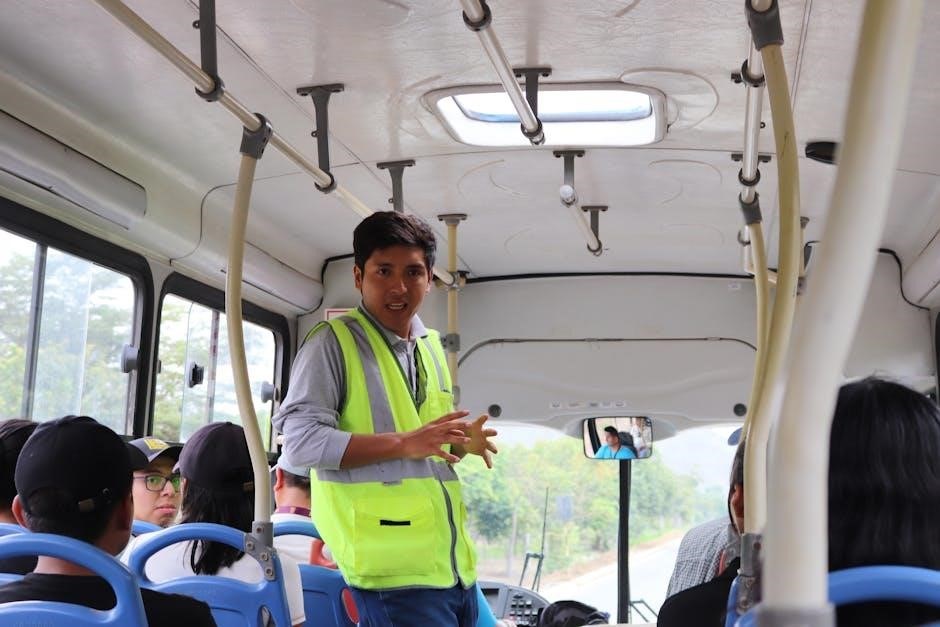
Filipina Tour Guide: A Comprehensive Guide
Filipina tour guides are officially licensed by the Department of Tourism to assist visitors, both local and international, for compensation – a growing profession.
The Growing Demand for Filipina Tour Guides
Demand for skilled Filipina tour guides is surging, fueled by the Philippines’ increasing popularity as a tourist destination. This growth is evident in online forums, like Facebook’s Philippine Expats group, where individuals express interest in offering specialized guiding services to expatriates.
The Department of Tourism (DOT) actively regulates and accredits tour guides, recognizing their crucial role in enhancing the tourist experience. Executive Order No. 120 empowers the DOT to establish standards and licensing procedures, ensuring quality service and professionalism within the industry. This regulatory framework supports the expanding need for qualified guides.
Understanding the Role of a Tour Guide in the Philippines
A licensed Filipina tour guide, as defined by DOT regulations, is an individual authorized to provide guidance to tourists – both foreign and domestic – in exchange for a fee. This role extends beyond simply showing locations; it encompasses sharing knowledge of Philippine history, culture, and geography.
Tour guides facilitate meaningful experiences, ensuring visitor safety and satisfaction. They act as cultural ambassadors, promoting responsible tourism and respecting local traditions. Their services are governed by Presidential Decrees 259 and 1463, emphasizing the importance of professional standards.
Legal Requirements and Licensing (DOT Accreditation)
Filipina tour guides must be licensed by the Department of Tourism (DOT) to legally operate. This requirement stems from Executive Order No. 120, granting the DOT authority over tourism-related businesses. Accreditation ensures guides meet established standards and contribute to quality tourism.
The process involves application, examination, and an interview, governed by specific rules and regulations. Licensing applies to anyone guiding tourists for “a fee, commission, or any other form” of compensation, solidifying the legal framework for the profession.
Types of Tours Offered by Filipina Tour Guides
Filipina tour guides offer diverse experiences catering to varied interests. These include immersive historical and cultural explorations, showcasing the Philippines’ rich heritage. Adventure and eco-tourism tours highlight natural beauty, while culinary tours tantalize taste buds with local flavors.
Guides also specialize in tailored experiences, such as those for expatriates seeking unique insights. The breadth of tour types reflects the Philippines’ diverse attractions and the adaptability of its guiding professionals.

Historical and Cultural Tours
Filipina tour guides expertly lead visitors through the Philippines’ captivating past. These tours explore iconic landmarks like Intramuros, showcasing Spanish colonial architecture and history. They delve into indigenous traditions, vibrant festivals, and significant historical events.
Guides share compelling narratives, bringing the nation’s cultural tapestry to life. These immersive experiences foster a deeper understanding and appreciation for Filipino heritage, connecting tourists with the soul of the islands.
Adventure and Eco-Tourism Tours
Filipina tour guides facilitate thrilling adventures amidst the Philippines’ natural beauty. They lead excursions to stunning destinations like Chocolate Hills, and pristine beaches, ensuring safe and responsible exploration.
These tours encompass activities like hiking, diving, and wildlife encounters, promoting environmental awareness. Guides educate visitors about local ecosystems and conservation efforts, fostering a respect for the Philippines’ biodiversity and unique landscapes.
Culinary and Food Tours
Filipina tour guides expertly curate immersive culinary experiences, introducing visitors to the diverse flavors of Philippine cuisine. These tours venture beyond typical restaurants, exploring local markets and carinderias (food stalls).
Guides share the history and cultural significance behind each dish, from adobo to lechon, and explain regional variations. They cater to dietary needs, ensuring a delightful gastronomic journey for every palate, showcasing the Philippines’ rich food heritage.
Essential Skills for a Filipina Tour Guide
Filipina tour guides require a robust skillset. Language proficiency – English, Filipino, and potentially others – is crucial for effective communication. Strong interpersonal skills build rapport with tourists, fostering positive experiences.
Deep knowledge of Philippine history, culture, and geography is paramount, enabling guides to deliver informative and engaging narratives. Excellent problem-solving abilities and adaptability are also vital for handling unexpected situations and diverse tourist needs.
Language Proficiency (English, Filipino, and other languages)
English is fundamental for Filipina tour guides, facilitating communication with the majority of international tourists. Filipino proficiency is equally vital for connecting with domestic travelers and understanding local contexts.
Additional language skills – Mandarin, Korean, Japanese, or others – offer a significant competitive advantage, catering to specific demographics. Fluency ensures clear explanations, engaging storytelling, and effective handling of diverse inquiries, enhancing the overall tourist experience.
Communication and Interpersonal Skills
Filipina tour guides require exceptional communication skills – clear articulation, active listening, and engaging storytelling are crucial. Building rapport with tourists from diverse backgrounds demands empathy, patience, and cultural sensitivity.
Strong interpersonal skills facilitate positive interactions, address concerns effectively, and create a welcoming atmosphere. The ability to adapt communication styles to different personalities and needs is paramount for a memorable experience.
Knowledge of Philippine History, Culture, and Geography
Filipina tour guides must possess in-depth knowledge of the Philippines’ rich history, diverse cultures, and varied geography. This includes pre-colonial traditions, the Spanish colonial period, and the nation’s path to independence.
Understanding regional customs, local folklore, and significant historical sites is essential. Guides should accurately convey information, answer questions thoroughly, and provide context to enhance the tourist’s appreciation of the Philippines.
The Accreditation Process with the Department of Tourism (DOT)
Filipina tour guides require accreditation from the Department of Tourism (DOT), as governed by Executive Order No. 120 and Presidential Decrees 259 & 1463. This process ensures qualified individuals guide tourists.
The DOT outlines specific rules and regulations for licensing, involving an application, examination, and interview. Successful completion grants a license to operate legally, benefiting both guides and tourists alike.
Requirements for Application
Filipina tour guide applicants must meet DOT requirements, including proof of citizenship and a completed application form. Demonstrated knowledge of Philippine history, culture, and geography is essential.
Applicants typically need to present certifications – like First Aid/CPR – and undergo a thorough background check. The DOT assesses qualifications to ensure guides provide safe and informative experiences for all tourists.
Examination and Interview Process
Filipina tour guide accreditation involves a rigorous examination testing historical, cultural, and geographical knowledge of the Philippines. This written assessment evaluates a candidate’s expertise.
Following the exam, a panel interview assesses communication skills, professionalism, and the ability to handle tourist inquiries effectively. Successful candidates demonstrate a passion for tourism and a commitment to responsible guiding practices;
Renewal of Accreditation
Filipina tour guide accreditation isn’t permanent; renewal is essential to maintain legitimacy; The Department of Tourism (DOT) requires periodic updates, typically every three years, ensuring guides remain current with tourism trends and regulations.
Renewal involves submitting updated documentation, potentially including continuing education certificates, and demonstrating ongoing adherence to ethical and professional standards. This process guarantees quality service for tourists.
Targeting Specific Tourist Demographics
Filipina tour guides can thrive by specializing in tourist demographics. Foreign tourists often seek historical and cultural immersion, while domestic travelers prioritize exploring local heritage.
Expatriates frequently desire tailored experiences, perhaps focusing on practical living in the Philippines or unique local insights. Understanding these differing needs allows guides to craft compelling, personalized tours, enhancing visitor satisfaction and repeat business.
Foreign Tourists: Common Interests and Needs
Filipina tour guides catering to foreign tourists should focus on showcasing the Philippines’ rich history, vibrant culture, and stunning natural landscapes. Many seek authentic experiences beyond typical tourist traps.
Clear communication in English is crucial, alongside providing detailed explanations of local customs and traditions. Foreign visitors also appreciate guidance with logistics, ensuring a safe and enjoyable exploration of the islands.
Domestic Tourists: Exploring Local Heritage
Filipina tour guides engaging with domestic tourists often focus on rediscovering and appreciating the Philippines’ diverse heritage. Many Filipinos are eager to learn more about their own history, art, and traditions.
Tours can emphasize regional specialties, historical sites, and cultural practices, fostering a sense of national pride. Guides should be proficient in Filipino and able to connect with locals on a personal level, enriching their experience.
Expatriate Tourists: Tailored Experiences
Filipina tour guides catering to expatriates require a nuanced understanding of their unique needs and interests. Often, these tourists seek immersive experiences beyond typical tourist trails, desiring authentic cultural interactions.
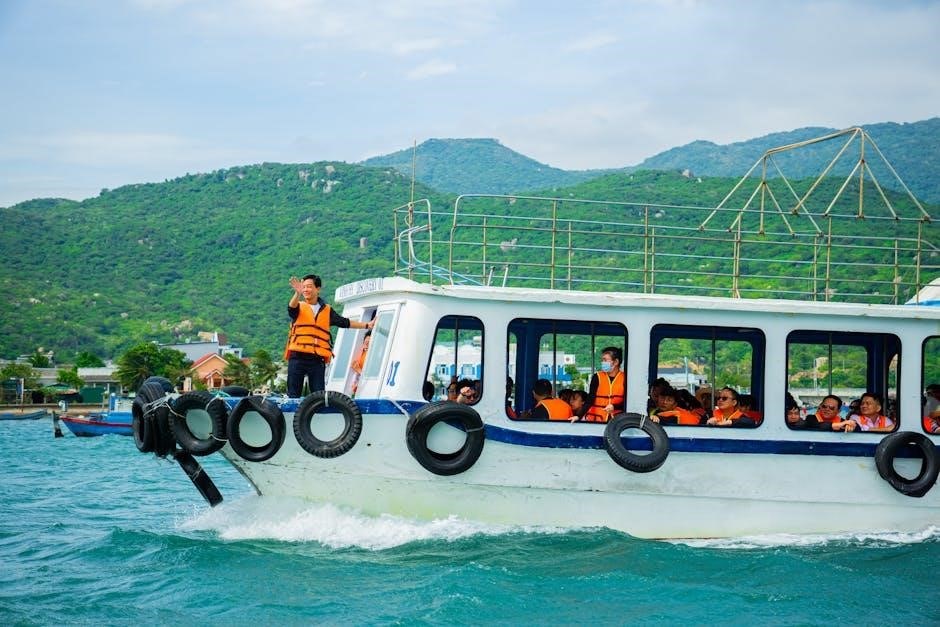
Guides should be prepared to offer customized itineraries, focusing on specific hobbies or interests, and providing detailed information about local life. Excellent English proficiency and cultural sensitivity are paramount for a positive experience.
Setting Your Rates and Packages
Filipina tour guides must strategically determine pricing, considering factors like tour duration, complexity, transportation costs, and included services. Researching competitor rates is crucial for establishing competitive packages.
Offering varied options – half-day, full-day, multi-day tours – caters to diverse budgets. Clearly outlining inclusions (entrance fees, meals) prevents misunderstandings. Value-added services, like personalized itineraries, justify higher rates.
Factors Influencing Pricing
Filipina tour guide rates are significantly impacted by tour type – historical, adventure, or culinary experiences command different prices. Destination popularity also plays a role; well-known spots may allow for premium pricing.
The guide’s experience level and specialized knowledge justify higher fees. Transportation costs, permits, and entrance fees directly influence the final price. Demand fluctuations, seasonality, and the size of the tour group are also key considerations.
Creating Competitive Tour Packages
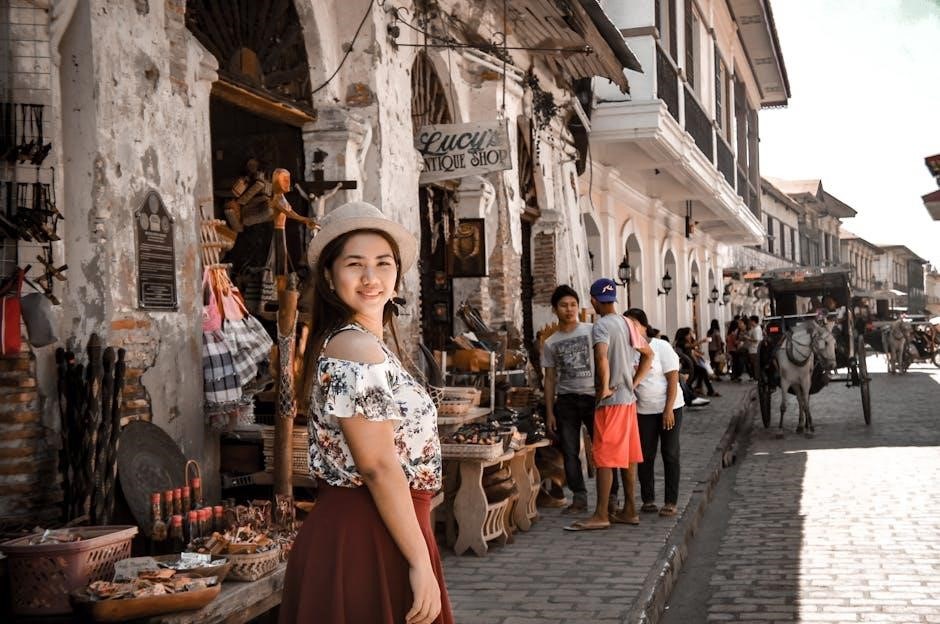
Filipina tour guides should design packages offering unique value, blending popular attractions with hidden gems. Consider inclusive pricing – covering transport, meals, and entrance fees – for transparency.
Tailoring experiences to specific demographics, like expats seeking local immersion, is crucial. Bundling tours or offering discounts for longer bookings can attract clients. Highlighting the guide’s expertise and personalized service differentiates offerings in a crowded market.
Marketing and Promotion Strategies
Filipina tour guides can leverage online platforms like social media (Facebook, Instagram) to showcase tour offerings with captivating visuals and testimonials. Networking with hotels and travel agencies builds referral partnerships, expanding reach.
Creating a professional website or utilizing online booking platforms increases visibility. Content marketing – blog posts about Philippine destinations – establishes expertise. Targeted advertising towards specific tourist demographics enhances marketing effectiveness.
Online Platforms and Social Media
Filipina tour guides should actively utilize platforms like Facebook, Instagram, and TikTok to visually promote tours, showcasing destinations and experiences. Creating engaging content – photos, videos, stories – attracts potential clients.
Online travel agencies (OTAs) offer broader reach, while a personal website establishes credibility. Consistent posting, responding to inquiries, and utilizing relevant hashtags are crucial for social media success.
Networking with Hotels and Travel Agencies
Filipina tour guides benefit immensely from building strong relationships with local hotels and travel agencies. Offering commission or referral fees incentivizes recommendations to tourists seeking guided experiences.
Regular visits, providing updated tour information, and collaborative marketing efforts strengthen partnerships. Participating in travel fairs and industry events expands networks, increasing visibility and booking opportunities.
Safety and Emergency Procedures
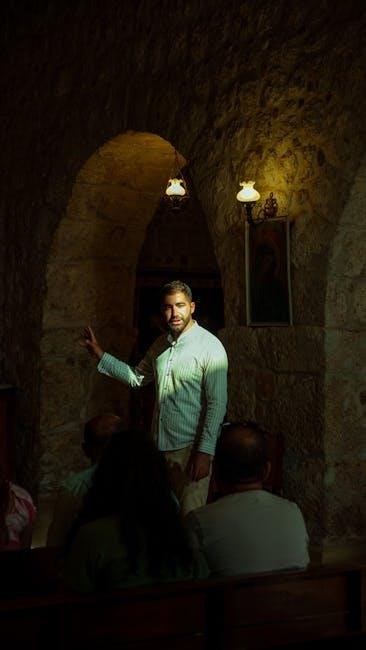
Filipina tour guides must prioritize tourist safety. Comprehensive first aid and CPR certification are essential for handling minor injuries or sudden illnesses during tours.
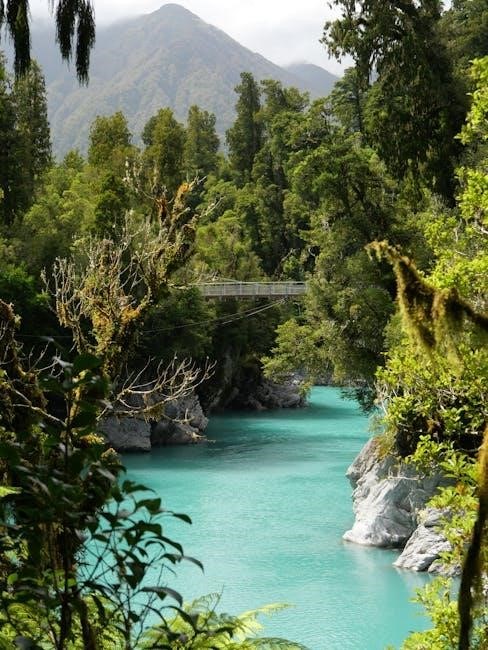
Guides should develop a detailed emergency plan, including local hospital locations, emergency contact numbers, and evacuation procedures. Proactive risk assessment of tour locations and clear communication of safety guidelines to tourists are crucial for preventing incidents.
First Aid and CPR Certification
Filipina tour guides demonstrating preparedness require current First Aid and CPR certification. These skills are vital for responding effectively to medical emergencies encountered during tours.
Certification courses equip guides with the knowledge to assess injuries, administer basic life support, and stabilize tourists until professional medical help arrives. Regular refresher courses ensure continued competency and confidence in emergency situations, bolstering tourist safety.
Handling Tourist Emergencies
Filipina tour guides must be prepared to handle diverse tourist emergencies, from minor injuries to serious medical events. This includes knowing local emergency contact numbers and hospital locations.
Effective communication is key – calmly assessing the situation, providing reassurance, and coordinating assistance. Guides should also be adept at managing lost tourists or dealing with unexpected travel disruptions, ensuring a swift and safe resolution for all involved.
Ethical Considerations and Responsible Tourism
Filipina tour guides play a crucial role in promoting responsible tourism. This involves respecting local cultures, traditions, and the environment. Guides should educate tourists about appropriate behavior and encourage sustainable practices.
Avoiding exploitation of local communities and ensuring fair treatment of vendors are paramount. Promoting cultural sensitivity and minimizing environmental impact are essential ethical obligations for a conscientious tour guide.
Respecting Local Cultures and Traditions
Filipina tour guides must demonstrate deep respect for the Philippines’ diverse cultures and traditions. This includes understanding and explaining local customs, religious beliefs, and social etiquette to tourists.
Guides should encourage visitors to engage respectfully with communities, avoiding actions that could be considered offensive or disruptive. Promoting awareness and appreciation of Filipino heritage is a key ethical responsibility.
Environmental Awareness and Sustainability
Filipina tour guides play a crucial role in promoting environmental awareness and sustainable tourism practices. They should educate tourists about the importance of preserving the Philippines’ natural resources and biodiversity.
Encouraging responsible behavior – like minimizing waste, respecting wildlife, and supporting eco-friendly businesses – is essential. Guides must advocate for the long-term health of the environment for future generations.
The Future of Tour Guiding in the Philippines
Filipina tour guiding faces exciting changes driven by technology and evolving tourist expectations. Virtual tours and augmented reality may supplement traditional experiences, demanding guides adapt their skillset.
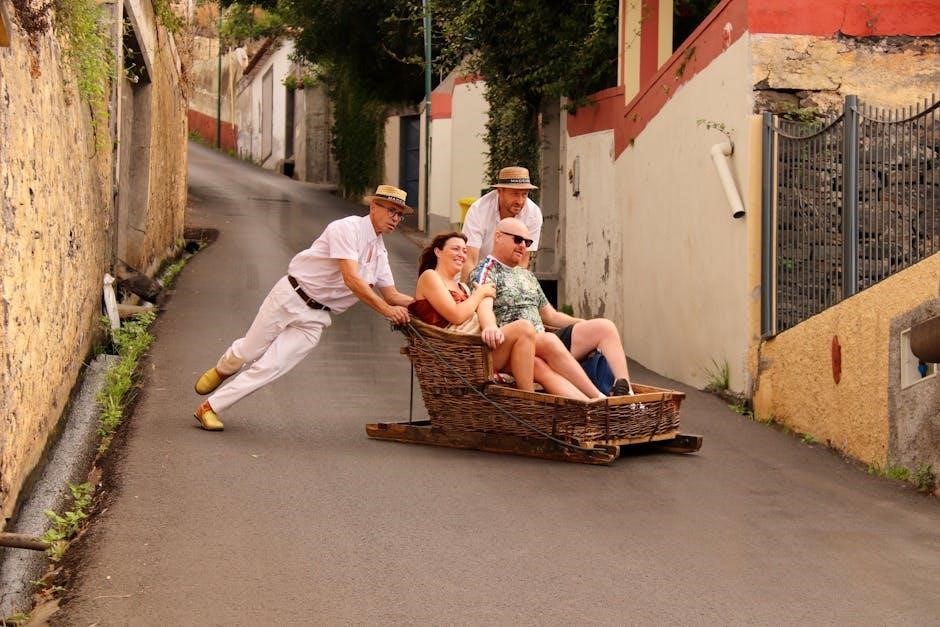
Specialization – focusing on niche areas like culinary tourism or adventure travel – will become increasingly valuable. Continuous professional development and embracing digital tools are key to remaining competitive in this dynamic industry.
Impact of Technology on the Industry
Filipina tour guides are witnessing a significant technological shift. Online platforms connect guides directly with tourists, bypassing traditional agencies. Mobile apps provide instant information, translation services, and interactive maps, enhancing the visitor experience.
However, technology also presents challenges. Guides must leverage these tools effectively, offering personalized insights beyond readily available digital content to maintain their value and relevance.
Opportunities for Specialization
Filipina tour guides can thrive by specializing in niche tourism segments. Options include historical and cultural immersion, adventure eco-tours, or culinary experiences. Focusing on specific demographics – expats seeking tailored experiences, for example – offers a competitive edge.
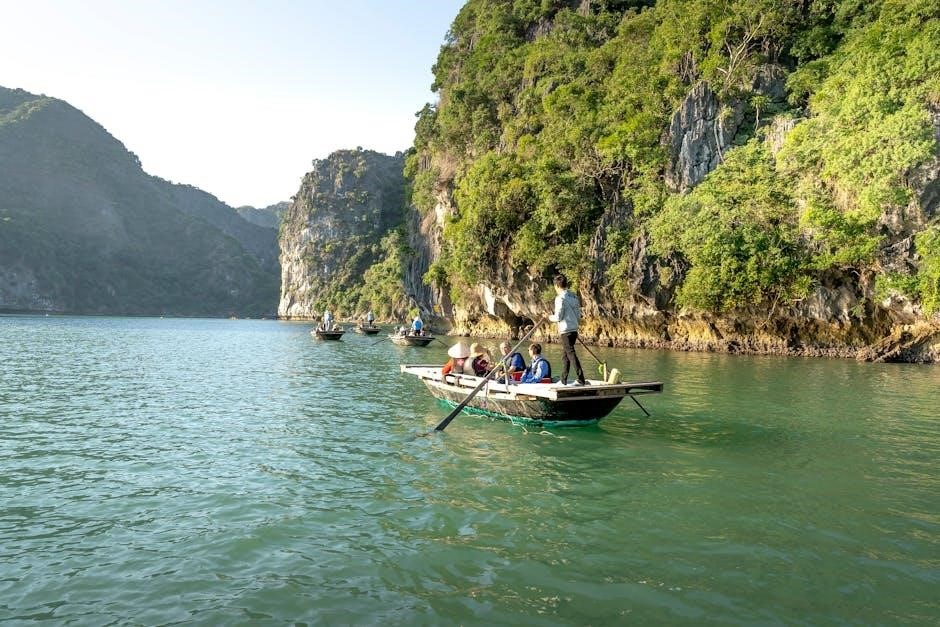
Developing expertise in a particular region or activity allows guides to command higher rates and build a strong reputation within a defined market.