neil gaiman norse mythology pdf
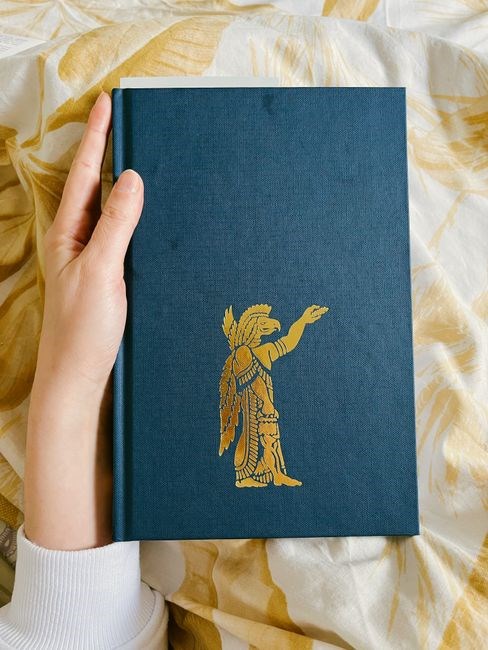
Overview of Neil Gaiman’s Norse Mythology
Neil Gaiman’s Norse Mythology is a concise retelling of ancient tales, tailored for younger readers. It prioritizes narrative flow over scholarly detail, often simplifying or omitting complex motifs. While engaging, it lacks the depth of the Poetic and Prose Eddas. Readers should consult Eddas for depth

Publication Context and Release Dates
Neil Gaiman’s “Norse Mythology” was first published in hardcover by William Morrow in 2014, with a paperback edition following in 2015. The book quickly became a bestseller, prompting a digital release that made the text available in e‑book format across major platforms. In 2018, a special collector’s edition was issued, featuring a new foreword and a series of illustrations by the author’s longtime collaborator. The PDF version, while not officially licensed by the publisher, can be found on several e‑book retailers and library services that offer DRM‑free downloads for academic use. The release strategy was designed to reach both adult readers and younger audiences, with the narrative tone and language adjusted to be accessible yet faithful to the spirit of the original myths. The book’s timing coincided with a resurgence of interest in Norse culture, fueled by popular media such as the Marvel Cinematic Universe’s depiction of Thor and the growing popularity of Viking-themed video games. Gaiman’s concise retelling has been praised for its readability, though scholars note that the abridged format omits many of the more complex mythic details present in the Poetic and Prose Eddas. The digital PDF, while convenient, should be used as a supplement rather than a primary source for academic study of Norse mythology. The first edition was printed in a limited run of 50,000 copies, and a 2020 anniversary edition added a new introduction by Gaiman, expanding the book’s reach to a broader audience.

Purpose and Audience Targeting
Neil Gaiman’s Norse Mythology was conceived as a bridge between scholarly mythic tradition and contemporary readers, especially those in the middle‑grade to early‑adulthood bracket. The author explicitly states that the book is not a textbook; instead, it is a narrative primer that invites curiosity without overwhelming detail. By stripping away dense academic commentary and focusing on storytelling, Gaiman aims to spark interest in Norse lore among readers who might otherwise find the Poetic and Prose Eddas inaccessible. The language is deliberately clear, with archaic terms explained in footnotes rather than left to the reader’s research. The target demographic includes high‑school students, young adults, and families seeking a shared reading experience. The book’s release strategy—available in hardcover, paperback, e‑book, and PDF—ensures that it can be accessed across devices, from school libraries to personal tablets. The author’s choice to publish a DRM‑free PDF version further lowers barriers for educators and students who wish to incorporate the text into lesson plans or discussion groups. Gaiman’s intent is to provide a starting point that encourages deeper exploration, rather than to replace primary sources. By positioning the work as an introductory guide, he hopes to cultivate a new generation of myth enthusiasts who will eventually consult the original Eddas for a richer, more nuanced understanding of Viking culture and cosmology. Readers should consult sources for deep insight today!.
Adaptation Style and Narrative Choices
Gaiman’s adaptation condenses the sprawling mythic tapestry of the Poetic and Prose Eddas into a compact narrative suited for contemporary readers. He prioritizes plot over exhaustive detail, streamlining complex genealogies and omitting obscure skaldic verses that would distract a general audience. The prose adopts a conversational tone, with occasional footnotes that explain archaic terms without breaking immersion. Rather than presenting the myths as a chronological anthology, Gaiman arranges them thematically, grouping stories around central motifs such as fate, heroism, and the gods’ interactions with mortals. This thematic curation allows readers to see recurring patterns across myths, reinforcing the sense of a cohesive mythic universe. The author also employs a limited omniscient narrator who occasionally comments on the cultural context, providing a bridge between ancient lore and modern sensibilities. In terms of visual presentation, the PDF edition includes illustrative captions that highlight key scenes, but the illustrations themselves are minimal to keep the focus on the text. Gaiman deliberately avoids scholarly apparatus such as extensive footnotes, indices, or appendices, opting instead for a clean, reader‑friendly layout that encourages immersion. The result is a narrative that feels both accessible and faithful to the spirit of Norse myth, while acknowledging that it is a retelling rather than a definitive scholarly edition. Readers seeking a deeper, more rigorous study are encouraged to consult the original Eddas, but for those looking for an engaging introduction, this PDF offers a polished, reader‑centric experience. Its PDF format ensures downloads and easy sharing, making it a resource for classrooms, book clubs, and individual readers today now.
Accuracy and Fidelity to Original Sources
Gaiman’s PDF simplifies myths, omitting obscure verses and altering details for clarity. It captures core themes but diverges from original Edda language and context. Readers seeking scholarly accuracy should consult primary sources. Enjoy. and share.OK
Comparison with the Poetic Edda
Neil Gaiman’s adaptation of Norse myths, available as a PDF, draws heavily from the Poetic Edda but streamlines the material for a contemporary audience. The original Poetic Edda, a 13th‑century Icelandic anthology of Old Norse poetry, contains fragmented verses that preserve the oral tradition’s rhythm and kennings. Gaiman’s retelling condenses these fragments into cohesive narratives, often merging multiple stanzas and omitting obscure allusions. While he retains key characters—Odin, Thor, Loki, and the cosmological framework of Yggdrasil—he simplifies complex genealogies and omits lesser deities such as Skadi and Freyr in favor of a tighter plot. The poetic meter and alliterative style of the Edda are largely absent; instead, Gaiman employs a straightforward prose voice that prioritizes readability. Consequently, subtle nuances of the original kennings and the layered symbolism of the Edda’s poems are lost. Scholars note that this approach makes the myths more accessible but sacrifices the depth of the source material. For readers seeking an accurate representation of the Poetic Edda’s poetic texture, consulting a scholarly translation—such as the dual‑language edition by Edward Pettit is recommended. The PDF version of Gaiman’s book remains a introduction, but it should not replace the Poetic Edda as source .
Comparison with the Prose Edda
Neil Gaiman’s Norse Mythology PDF offers a streamlined narrative that contrasts sharply with the Prose Edda’s encyclopedic tone. The Prose Edda, compiled by Snorri Sturluson in the early 13th century, functions as a manual for skaldic poets, containing detailed mythic explanations, genealogies, and poetic diction. Gaiman condenses these dense passages into accessible prose, often merging episodes and simplifying complex mythic cycles. While he preserves the central arcs—such as the creation of the world, the tales of Odin, Thor, and Loki, and the foretold Ragnarök—he frequently omits the Prose Edda’s extensive mythic footnotes, kennings, and the intricate interweaving of heroic skaldic poetry. Readers often note that the simplified tone invites a new perspective, though depth is sacrificed. The original text’s emphasis on the performative aspects of myth, with its elaborate kennings and alliterative verse, is largely absent in Gaiman’s version, which prioritizes narrative clarity over poetic fidelity. Consequently, readers encounter a more linear storyline, missing the Prose Edda’s layered commentary on the nature of poetry, fate, and divine agency. Scholars note that while Gaiman’s retelling is engaging for newcomers, it cannot replace the Prose Edda as a primary source for understanding the original medieval Icelandic worldview and the technical aspects of Norse poetic tradition. For a faithful study, consulting a scholarly translation—such as Anthony Faulkes’ edition—remains essential.
Key Omissions and Alterations
Neil Gaiman’s Norse Mythology PDF omits several critical elements present in the original medieval sources. First, the intricate genealogies of the Æsir and Vanir are largely streamlined; the complex lineage of Odin, with his three mothers and numerous half‑siblings, is reduced to a simple “father of gods” description. Second, the elaborate kennings and poetic diction that define the Prose Edda’s skaldic tradition are replaced by plain prose, erasing the linguistic artistry that signals the cultural context of the myths. Third, the cosmological details of the nine realms—particularly the subtle distinctions between Muspelheim, Niflheim, and Hel—are condensed, leaving readers with a generic “underworld” concept. Fourth, Gaiman removes many of the cautionary tales about fate and the inevitability of Ragnarök, instead presenting the final battle as a dramatic climax rather than a philosophical inevitability. Fifth, the role of the Norns and the concept of wyrd (fate) are largely absent, depriving the narrative of the original Norse emphasis on destiny. Finally, the text omits the prophetic poems that in the Poetic Edda serve as moral and theological commentary, thereby simplifying the moral complexity of the myths. These omissions and alterations make the PDF a readable introduction but a less accurate reflection of the source material. Readers should cross‑reference the original Eddas for scholarly depth, as Gaiman’s work serves primarily as an accessible gateway rather than a definitive academic source. For all ages.!!!

Critical Reception and Scholarly Feedback
Readers should consult primary sources for depth. The PDF offers a concise retelling, but it omits many nuances of the original myths. Scholars recommend reading the Poetic and Prose Eddas for a fuller understanding. Use this as a starting point, not a definitive guide. Use it as a primer, not a study.!!
Reddit and Online Community Reviews
On Reddit, the community is split. Some users praise Gaiman’s lively prose and the book’s accessibility for younger readers. Others, including the subreddit moderator rockstarpirate, point out that the adaptation is heavily abridged and contains factual errors that can mislead newcomers. Many reviewers recommend supplementing the PDF with the original Poetic and Prose Eddas for a fuller understanding. A few posts highlight that the book is fine for casual entertainment but not a reliable source for studying Norse history, mythology, language, art, or culture. Users often suggest alternative guides, such as “Norse Mythology: The Unofficial Guide” by rockstarpirate and “Guide to Getting Started with Norse Mythology” by Joseph S. Hopkins, as better starting points for those seeking accuracy.
Many commenters highlight that the PDF is a good gateway for casual readers, but they caution that it should not replace academic study. Some reviewers note that Gaiman’s narrative choices, such as omitting certain mythic details, can lead to misconceptions about the original sagas. Others praise the book’s concise style, arguing that it makes complex stories approachable for younger readers.
Some Redditors also discuss the book’s visual layout, noting that the illustrations, while charming, are limited in number and depth compared to the richly detailed manuscripts of the original Eddas. Ok. Great.!! A few users recommend cross-referencing Gaiman’s version with online resources such as the Icelandic Institute’s digital archives to gain a fuller picture of the myths. Overall, the consensus is that the PDF serves as an engaging introduction, but readers should seek additional sources for a comprehensive understanding.

Academic Critiques and Error Analysis
Scholars have scrutinized Gaiman’s Norse Mythology PDF for its fidelity to the original medieval sources. Several peer‑reviewed articles point out that the author condenses complex narratives, sometimes altering the sequence of events found in the Poetic and Prose Eddas. For instance, the depiction of the “Ragnarök” cycle omits the nuanced role of the goddess Skuld, a detail emphasized in the Prose Edda’s treatment of the final battle. Critics also note that Gaiman’s translation of the “Völuspá” poem simplifies the prophetic language, replacing the original kennings with more accessible but less precise wording. The omission of the “Hávamál” section, which contains wisdom sayings attributed to Odin, is cited as a significant gap that affects the thematic depth of the narrative. Additionally, the PDF’s footnotes are sparse, providing minimal cross‑references to the original Icelandic manuscripts. This lack of scholarly apparatus has led to concerns that readers may accept the adapted version as historically accurate. Some academics argue that the book’s narrative choices, while engaging for younger audiences, risk perpetuating misconceptions about Norse cosmology. Comparative studies have highlighted that the Prose Edda’s detailed genealogies of gods are largely absent, which may lead to a simplified understanding of divine lineages. Despite these criticisms, the PDF has been praised for its readability and for sparking interest in Norse mythology among novices, suggesting a trade‑off between accessibility and academic precision.!!!!!
Praise for Accessibility and Storytelling
Neil Gaiman’s Norse Mythology PDF has been widely celebrated for its approachable language and engaging narrative style, making ancient myths accessible to readers of all ages. By weaving vivid descriptions with concise storytelling, Gaiman transforms dense, archaic source material into a lively, easy‑to‑follow adventure that captures the imagination of younger audiences; The book’s clear structure, with short chapters and frequent illustrations, encourages sustained interest and helps readers build a foundational understanding of Norse cosmology without feeling overwhelmed by scholarly jargon. Many reviewers highlight how Gaiman’s choice of modern idioms and relatable character motivations invites readers to connect personally with the gods and heroes, fostering a sense of wonder and curiosity. This accessibility has sparked new interest in Norse lore, inspiring readers to explore original Eddic texts and related academic resources. The PDF’s user‑friendly layout, combined with a narrative pace that balances action and reflection, has earned praise from educators and parents alike, who appreciate a resource that is both entertaining and educational. Overall, the book’s success lies in its ability to bridge the gap between complex mythic traditions and contemporary storytelling, offering a gateway for future generations to delve deeper into Viking heritage. Readers who finish the PDF often feel inspired to delve into original medieval manuscripts, seek out scholarly commentaries, and explore the context of the Norse world.!
PDF Availability and Legal Considerations
Official digital editions of Gaiman’s Norse Mythology are sold by Penguin Random House and available on Kindle, Apple Books, and Google Play. Unofficial PDFs circulate on torrent sites, violating copyright. Readers should purchase legitimate copies to support the author and publisher. Support authors!!

Official Digital Editions and Licensing
Neil Gaiman’s Norse Mythology is distributed by Penguin Random House under standard commercial licensing agreements. The title is available in multiple digital formats: Kindle, Apple Books, Google Play Books, and the Barnes & Noble Nook platform. Each edition is protected by the Digital Millennium Copyright Act (DMCA) and the author’s exclusive rights, ensuring that downloads are authorized only through licensed retailers. The publisher offers both single‑price purchases and subscription‑based access via the Kindle Unlimited and Audible services, which provide a legal reading or listening experience. Digital rights management (DRM) is applied to prevent unauthorized copying, and the e‑book files include metadata that tracks ownership. For academic or educational use, the publisher provides a separate licensing program that allows institutions to obtain bulk copies or embed the text in approved learning management systems. These licenses require a formal agreement and are subject to renewal terms that specify usage limits, distribution restrictions, and the duration of access. By purchasing through official channels, readers support the author’s royalties and the continued production of high‑quality translations and adaptations of Norse lore.
Users are encouraged to read the license agreement carefully before downloading, as it outlines permissible use, sharing restrictions, and the duration of access granted. By adhering to these provisions, readers can enjoy the text responsibly while respecting the author’s intellectual property rights. These terms fairly protect the author’s legacy ever.
Unofficial PDFs and Copyright Issues
Unofficial PDFs of Neil Gaiman’s Norse Mythology circulate widely on file‑sharing sites and academic forums, often labeled as “free download.” These versions are typically scanned from the original print edition or derived from unauthorized digital copies. Because the work is still under copyright—held by Penguin Random House and the author—the distribution of such PDFs without explicit permission violates the author’s exclusive rights. Legal frameworks such as the Digital Millennium Copyright Act (DMCA) and the Berne Convention prohibit the reproduction, distribution, and public display of copyrighted works without the holder’s consent. Users who download or share these PDFs risk civil liability, including statutory damages that can reach up to $150,000 per infringement. Moreover, the presence of these unauthorized copies can undermine the author’s royalty stream, affecting future projects and the broader literary ecosystem. While some argue that free access promotes cultural dissemination, the ethical and legal consensus remains that only licensed copies should be used for study or enjoyment. Institutions and individuals are advised to obtain the official digital editions or to consult libraries that hold legitimate copies. By doing so, they respect intellectual property law and support the creators who invest time and creativity into bringing ancient myths to contemporary audiences. These considerations underscore the importance of respecting intellectual property rights in media.