100a manual transfer switch
As power outages increase due to severe weather‚ homeowners are increasingly seeking reliable backup solutions‚ with 100A manual transfer switches emerging as a popular choice for safety.
Portable generators and power stations are now critical for maintaining essential services during extended disruptions‚ highlighting the growing need for dependable power backups.
The Growing Need for Backup Power
The demand for reliable backup power is surging‚ driven by increasingly frequent and severe weather events like hurricanes and wildfires. These occurrences are not only becoming more common but also extending in duration‚ leaving communities vulnerable to prolonged power outages.
Consequently‚ homeowners are proactively investing in solutions that ensure continued operation of essential appliances and systems during these disruptions. Portable generators and power stations have seen a significant rise in popularity‚ becoming critical components of emergency preparedness plans.
This trend underscores a fundamental shift in how individuals and families approach power resilience‚ recognizing the importance of self-sufficiency when the grid fails. A 100A manual transfer switch plays a vital role in safely and efficiently harnessing this backup power.
What is a Manual Transfer Switch?
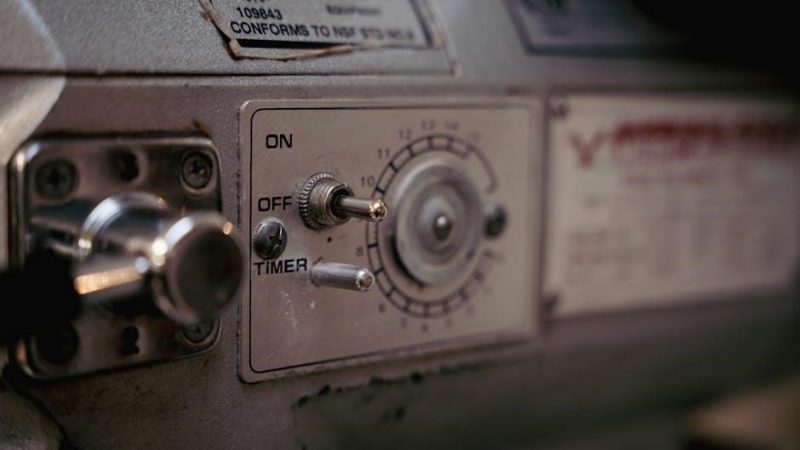
A manual transfer switch is a crucial safety device designed to isolate your home’s electrical system from the utility grid when using a backup generator. It prevents backfeeding – a dangerous situation where generator power flows back onto the power lines‚ potentially endangering utility workers.
Essentially‚ it acts as a central hub‚ allowing you to manually switch your home’s power source from the grid to the generator during an outage. A 100A switch‚ specifically‚ is rated to handle a maximum load of 100 amps‚ making it suitable for many homes.
This controlled transfer ensures that only selected circuits receive power from the generator‚ optimizing its runtime and preventing overload. It’s a fundamental component of a safe and effective backup power system;
Why Choose a 100A Transfer Switch?
A 100A manual transfer switch strikes a balance between power capacity and cost-effectiveness for many households. It’s often sufficient to power essential circuits – like refrigerators‚ lights‚ and heating systems – during an outage‚ offering significant comfort and safety.
Choosing this amperage allows homeowners to avoid the higher expense of larger switches while still providing substantial backup power. It’s a practical solution for those who don’t require whole-house coverage but want critical systems operational.
Furthermore‚ 100A switches are widely available and compatible with a broad range of generator sizes‚ simplifying the installation process and ensuring a reliable backup power solution;
Understanding Electrical Load and 100A Capacity
Accurately assessing your home’s power demands is crucial before selecting a transfer switch; a 100A switch requires careful load calculation for optimal performance and safety.
Calculating Your Home’s Power Needs
Determining your home’s wattage requirements is the first step in ensuring a 100A transfer switch can adequately support your essential circuits during an outage. Begin by creating a comprehensive list of appliances and devices you absolutely need to operate during a power failure – refrigerators‚ freezers‚ lights‚ medical equipment‚ and sump pumps are common examples.
Next‚ locate the wattage information for each item‚ usually found on a label affixed to the appliance itself. For devices that list amperage instead of wattage‚ you can calculate wattage by multiplying amps by volts (typically 120V in the US). Add up the wattage of all essential items to get your total wattage requirement.
Remember to account for starting wattage‚ which is often higher than running wattage‚ especially for motors. A 100A service can handle approximately 10‚000 watts‚ but careful calculation is vital.
Identifying Essential Circuits
Prioritizing circuits is crucial when planning for backup power with a 100A transfer switch. Not everything in your home needs to run during an outage. Focus on circuits powering life-sustaining medical equipment‚ refrigeration to prevent food spoilage‚ and essential heating or cooling systems.
Consider circuits for lighting in key areas – hallways‚ bathrooms‚ and the kitchen – to maintain safety and functionality. Sump pumps are vital if you live in an area prone to flooding. Avoid including high-demand appliances like electric stoves‚ clothes dryers‚ or air conditioners on your backup circuits if possible.
Creating a detailed list of these essential circuits will help determine if a 100A switch provides sufficient capacity for your needs‚ ensuring a focused and effective backup power solution.
Determining if 100A is Sufficient
After calculating your total essential wattage‚ compare it to the 100A capacity. Remember that 100 amps at 120/240 volts provides approximately 24‚000 watts. However‚ it’s wise to factor in a safety margin – aim to stay below 80% of the maximum capacity‚ roughly 19‚200 watts.
If your essential circuit wattage significantly exceeds this‚ a 100A switch may not be adequate; You might need to consider a larger capacity transfer switch or further reduce the number of circuits connected during an outage. Carefully evaluate your priorities and potentially upgrade appliances.
A professional electrician can accurately assess your needs and confirm whether a 100A transfer switch is the right size for your home and generator setup.
Types of 100A Manual Transfer Switches
100A transfer switches come in various configurations‚ including whole-house‚ sub-panel‚ and different NEMA enclosures‚ alongside indoor and outdoor rated options for diverse needs.
Whole-House vs. Sub-Panel Transfer Switches
Choosing between a whole-house and sub-panel transfer switch is a crucial decision. A whole-house switch connects directly to your main electrical panel‚ allowing you to power nearly all circuits during an outage‚ offering comprehensive backup. However‚ this requires a larger‚ more expensive switch and careful load management to avoid overloading the generator.
Sub-panel transfer switches‚ conversely‚ connect to a smaller‚ pre-wired sub-panel containing only essential circuits. This is a more affordable and simpler installation‚ ideal for powering critical loads like refrigerators‚ lights‚ and medical equipment. It avoids the complexities of whole-house switching but limits the number of appliances you can run simultaneously.
Carefully assess your power needs and budget to determine which type best suits your home and lifestyle.
NEMA Configurations (NEMA 3R‚ etc.)
NEMA (National Electrical Manufacturers Association) configurations define a transfer switch’s environmental protection. NEMA 3R enclosures are commonly used for 100A manual transfer switches‚ offering protection against rain‚ sleet‚ and snow – making them suitable for outdoor installations. They prevent debris and moisture from damaging internal components.
Other NEMA ratings exist‚ such as 1‚ 4‚ and 4X‚ providing increasing levels of protection against hazards like dust‚ water spray‚ and corrosion. Selecting the appropriate NEMA rating is vital based on the switch’s location and potential exposure to the elements.
Always verify the NEMA rating meets local codes and ensures safe‚ reliable operation in your specific environment.
Indoor vs. Outdoor Rated Switches
Choosing between indoor and outdoor-rated 100A manual transfer switches depends heavily on the planned installation location. Indoor switches are designed for dry‚ climate-controlled environments‚ typically within a garage or basement. They lack the robust weather protection needed for external exposure.
Outdoor-rated switches‚ often featuring NEMA 3R enclosures‚ are built to withstand rain‚ snow‚ ice‚ and fluctuating temperatures. This makes them ideal for mounting directly on an exterior wall‚ providing convenient access.
Carefully consider the environment; using an indoor switch outdoors will void warranties and create a safety hazard. Prioritize a switch specifically designed for its intended location.
Safety Considerations & Codes
Proper installation is paramount for safe operation of a 100A transfer switch‚ adhering to National Electrical Code (NEC) guidelines and local permitting requirements is crucial.
Importance of Proper Installation
Incorrect installation of a 100A manual transfer switch can create significant safety hazards‚ potentially leading to electrical shock‚ fire‚ or damage to your home’s electrical system and connected appliances.
A qualified‚ licensed electrician must perform the installation‚ ensuring all wiring connections are secure‚ properly sized‚ and conform to the latest National Electrical Code (NEC) standards.
Improper grounding is a particularly dangerous mistake‚ as it can render the transfer switch ineffective during a power outage and create a shock hazard.
Furthermore‚ failing to disconnect utility power before working on the electrical panel can be fatal. A professional electrician will prioritize safety throughout the entire process‚ guaranteeing a secure and reliable backup power solution.
National Electrical Code (NEC) Requirements
The National Electrical Code (NEC) dictates specific guidelines for installing 100A manual transfer switches‚ ensuring electrical safety and proper functionality. Article 424 of the NEC covers transfer switches‚ outlining requirements for overcurrent protection‚ wiring methods‚ and grounding.
Compliance with NEC standards is crucial for obtaining permits and passing inspections. The NEC mandates that transfer switches be sized appropriately for the connected loads and that the installation includes proper labeling to clearly indicate the switch’s function.
Specific requirements address the separation of generator power from utility power‚ preventing backfeeding onto the grid‚ which is a serious safety hazard.
Adhering to these codes protects both homeowners and utility workers‚ guaranteeing a safe and reliable backup power system.
Local Permitting and Inspections
Before installing a 100A manual transfer switch‚ securing the necessary permits from your local authorities is essential. Requirements vary significantly by jurisdiction‚ so contacting your city or county building department is the first step.
Permits ensure the installation meets local safety standards and the National Electrical Code (NEC). The application typically requires detailed plans outlining the switch’s location‚ wiring diagrams‚ and generator specifications.
After installation‚ a qualified electrical inspector will assess the work‚ verifying compliance with all applicable codes and regulations.
Passing inspection confirms the system is safe and legally operational‚ avoiding potential fines or insurance complications. Don’t skip this vital step for peace of mind.
Installation Process – A Detailed Overview
Proper installation demands disconnecting utility power‚ carefully wiring the switch to both the main panel and generator inlet‚ and ensuring correct grounding procedures for safety.
Tools and Materials Required
Successfully installing a 100A manual transfer switch necessitates a comprehensive collection of tools and materials. Essential tools include a voltage tester‚ screwdrivers (various types and sizes)‚ wire strippers‚ pliers‚ a circuit breaker finder‚ and a multimeter for accurate readings.
Regarding materials‚ you’ll need appropriately sized wiring (gauge determined by local codes)‚ wire connectors‚ conduit for wiring protection‚ mounting hardware suitable for the switch enclosure‚ and a properly rated generator inlet box. Don’t forget electrical tape‚ labels for circuit identification‚ and potentially‚ new circuit breakers if replacements are needed.
Safety gear is paramount: wear safety glasses‚ insulated gloves‚ and appropriate clothing. Having a helper can also significantly streamline the process and enhance safety during the installation.
Disconnecting Utility Power
Before commencing any work on a 100A manual transfer switch‚ completely disconnecting utility power is absolutely critical for safety. Locate the main breaker controlling the circuits you’ll be working with and switch it to the “OFF” position.
Confirm power is off using a reliable voltage tester on the wires you intend to handle. Never assume the power is off solely based on the breaker position; always verify with a tester.
Consider placing a lockout/tagout device on the main breaker to prevent accidental re-energization during the installation process. This is a vital step to protect yourself and anyone else working in the area. Double-check everything before proceeding!
Wiring the Transfer Switch to the Main Panel
Connecting the transfer switch to your main electrical panel requires careful attention to detail and adherence to electrical codes. Run appropriately sized wiring (typically matching the breaker gauge) from the transfer switch’s designated input terminals to a dedicated breaker space in the main panel.
Ensure the wiring is securely fastened and protected within conduit where necessary. Connect the wires to the breaker‚ observing proper polarity – typically black to hot‚ white to neutral‚ and green or bare copper to ground.
Double-check all connections for tightness and proper insulation before proceeding. Incorrect wiring can lead to dangerous situations‚ so precision is paramount.
Wiring the Transfer Switch to the Generator Inlet
The generator inlet serves as the connection point for your portable generator during an outage. Run appropriately sized‚ heavy-duty wiring from the transfer switch’s output terminals to the corresponding terminals on the generator inlet box.
Maintain consistent wiring color coding – black to hot‚ white to neutral‚ and green or bare copper to ground – for safe and effective power transfer. Securely connect the wires within the inlet box‚ ensuring all connections are tight and properly insulated.
Verify the inlet box is mounted securely and is accessible for easy generator connection during emergencies.
Grounding Procedures
Proper grounding is paramount for safety when installing a 100A manual transfer switch. Connect the grounding conductor from your main electrical panel to the grounding terminal on the transfer switch‚ ensuring a continuous ground path.
Extend the grounding conductor to the generator inlet box as well‚ connecting it to the designated grounding lug. This creates a unified grounding system‚ minimizing the risk of electrical shock and equipment damage.
Always use appropriately sized grounding wire‚ adhering to local electrical codes and regulations; Double-check all grounding connections for tightness and security before energizing the system.
Testing and Maintenance
Regular testing confirms the transfer switch functions correctly‚ while routine maintenance—checking connections and ensuring no corrosion—guarantees reliable performance during critical power outages.
Initial Testing After Installation
Following installation‚ a thorough test is paramount to verify the 100A manual transfer switch operates as intended. Begin by simulating a power outage – disconnect utility power safely‚ of course – and observe if the switch seamlessly transfers the load to the generator source.
Carefully check that all previously identified essential circuits are now powered by the generator. Use a multimeter to confirm correct voltage levels at various outlets and appliances. Listen for any unusual noises from the switch during transfer‚ which could indicate a wiring issue.
Cycle the switch back to utility power once it’s restored‚ ensuring a smooth transition. Document the test results‚ noting any discrepancies or concerns for future reference. This initial assessment provides confidence in the system’s functionality and safety.
Regular Maintenance Checks
Consistent maintenance is crucial for ensuring the long-term reliability of your 100A manual transfer switch. At least twice yearly‚ visually inspect the switch for any signs of damage‚ corrosion‚ or loose connections. Gently tighten any screws or bolts that appear to be loosening over time.
Check the wiring connections within the switch enclosure‚ verifying they remain secure and free from fraying or insulation damage. Dust and debris can accumulate‚ so carefully clean the interior with a dry cloth.
Test the switch’s functionality by simulating a power outage‚ as you did during initial testing‚ to confirm continued proper operation. Keep a log of all maintenance performed‚ noting dates and any observations.
Troubleshooting Common Issues
If your 100A transfer switch isn’t functioning correctly‚ begin with a visual inspection. Look for tripped breakers in both the main panel and the generator inlet. A common issue is a loose connection – carefully check all wiring points within the switch and at both connection locations.
If the switch doesn’t transfer power‚ verify the generator is producing the correct voltage and wattage. Ensure the generator is properly grounded. A faulty switch handle or internal mechanism can also prevent proper transfer; professional inspection is advised.
Always prioritize safety; if you’re uncomfortable troubleshooting electrical issues‚ contact a qualified electrician immediately. Never attempt repairs while power is present.
Generator Compatibility
Matching generator wattage and voltage to the 100A transfer switch is crucial for safe operation‚ alongside proper inlet box installation and start procedures.
Generator Wattage and Voltage Matching
Ensuring your generator’s output aligns perfectly with the 100A transfer switch’s requirements is paramount for both safety and optimal performance. A generator’s wattage must exceed the total wattage of the essential circuits you intend to power during an outage.
Voltage compatibility is equally critical; most residential transfer switches operate on 120/240V‚ so the generator must deliver the same. Underpowering can damage the generator‚ while overvolting risks damaging connected appliances.
Carefully calculate the running and starting wattage of your essential appliances – starting wattage often requires a surge capacity from the generator. Always consult the generator’s manual and the transfer switch specifications to confirm compatibility before connecting.
Generator Inlet Box Requirements
A dedicated generator inlet box is a crucial component when using a 100A manual transfer switch‚ providing a safe and code-compliant connection point for your portable generator. This box isolates the generator from the home’s electrical system‚ preventing backfeeding onto the utility lines – a potentially lethal hazard.
The inlet box must be rated to handle the transfer switch’s amperage (100A in this case) and voltage‚ and it should feature a locking mechanism to secure the generator cord.
Proper installation‚ typically by a qualified electrician‚ is essential‚ ensuring correct wiring and grounding. The inlet box location should be accessible and protected from the elements.
Automatic vs. Manual Generator Start
When paired with a 100A manual transfer switch‚ generator start-up is inherently a manual process‚ requiring you to physically start the generator when power is lost and again when utility power returns. This contrasts with automatic transfer switches that initiate generator start-up automatically.
While manual start offers cost savings‚ it demands homeowner involvement during outages‚ potentially inconvenient during inclement weather or absences.
Some generators offer remote start capabilities‚ providing a degree of convenience with a manual transfer switch‚ but still requiring active initiation. Choosing between automatic and manual start depends on budget‚ desired convenience‚ and homeowner availability.
Cost Analysis
Investing in a 100A transfer switch involves switch purchase‚ electrician installation fees‚ and potential long-term savings by minimizing disruption during power outages.
Switch Purchase Price
The cost of a 100A manual transfer switch can vary significantly based on brand‚ features‚ and retailer. Generally‚ homeowners can expect to pay between $200 and $600 for the switch itself.
Basic‚ no-frills models tend to fall on the lower end of this price range‚ while switches with more advanced features – such as surge protection or enhanced monitoring capabilities – will be more expensive.
NEMA enclosure type also impacts price; a weatherproof NEMA 3R enclosure‚ suitable for outdoor installation‚ will add to the overall cost. Shopping around and comparing prices from different suppliers is crucial to securing the best deal.
Remember to factor in potential shipping costs when comparing online prices‚ and consider purchasing from a reputable dealer to ensure product quality and warranty support.
Installation Costs (Electrician Fees)
Professional installation of a 100A manual transfer switch is highly recommended‚ and significantly impacts the overall project cost. Electrician fees typically range from $400 to $1200‚ depending on location‚ the complexity of the installation‚ and local labor rates.
Factors influencing cost include the distance between the main electrical panel‚ the generator location‚ and any necessary upgrades to the existing electrical system. Permits and inspection fees‚ required by most municipalities‚ are usually separate;
Obtaining multiple quotes from licensed electricians is essential to compare pricing and ensure a fair estimate. A detailed quote should outline all labor costs‚ materials‚ and any potential additional charges.
Attempting a DIY installation is strongly discouraged due to the inherent electrical hazards and potential code violations.
Long-Term Savings and Benefits
Investing in a 100A manual transfer switch offers substantial long-term benefits beyond simply restoring power during outages. Protecting essential appliances and preventing food spoilage saves money‚ and maintaining security systems provides peace of mind.
Reduced downtime for businesses translates to continued productivity and revenue. For homeowners‚ it means comfort and convenience‚ avoiding disruption to daily life. A transfer switch also safeguards sensitive electronics from damaging power surges during generator startup.
Increased home value is another benefit‚ as backup power is a desirable feature for potential buyers. While the initial investment is significant‚ the long-term savings and enhanced quality of life make it worthwhile.