half ironman training plan pdf
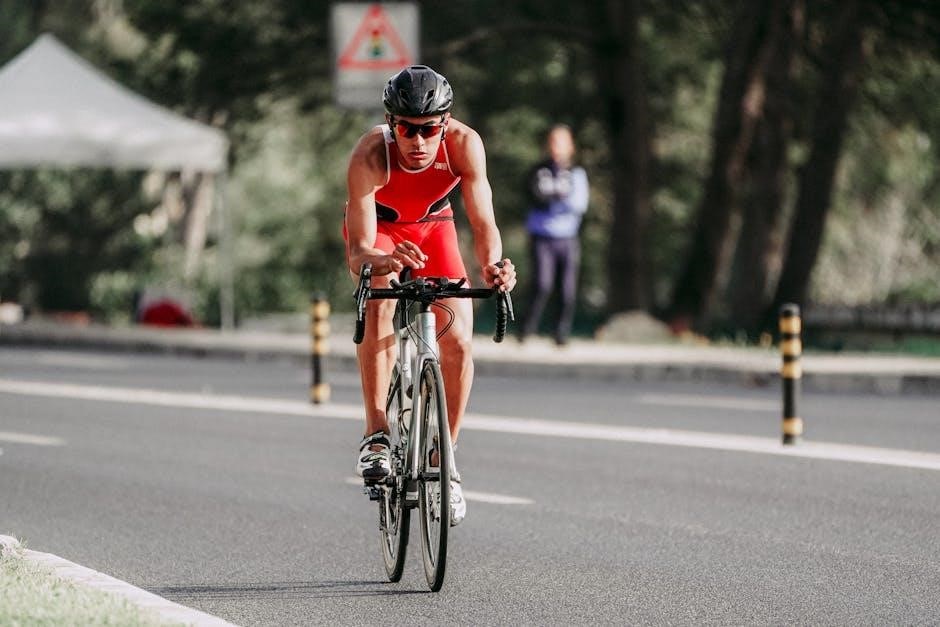
Embarking on a Half Ironman journey requires dedication! A structured training plan, often found as a downloadable PDF, is crucial for success and injury prevention․
What is a Half Ironman?
A Half Ironman, also known as a 70․3, is a tremendously challenging endurance event testing athletes across three disciplines: swimming, cycling, and running․ The distances are precisely 1․2 miles (1․9 kilometers) for the swim, 56 miles (90 kilometers) for the bike, and a 13․1-mile (21․1-kilometer) half marathon run․
Successfully completing a Half Ironman demands significant preparation, making a well-structured training plan – often available as a PDF – absolutely essential․ These plans progressively build fitness, focusing on each discipline and incorporating brick workouts to simulate race-day transitions․ Understanding the demands of each leg is key, and a PDF plan provides a roadmap for achieving peak performance․
Why Follow a Training Plan?
A Half Ironman isn’t something you can wing! Following a dedicated training plan, frequently accessed as a downloadable PDF, is paramount for safe and effective preparation․ These plans aren’t just about logging miles; they strategically build endurance, strength, and speed, minimizing injury risk․
A good PDF plan incorporates periodization – varying intensity and volume – to prevent plateaus and overtraining․ It also guides nutrition and recovery, crucial components often overlooked․ Utilizing a pre-built plan saves time and ensures a balanced approach, rather than haphazardly increasing workload․ Ultimately, a plan transforms ambition into achievable goals․

Phase 1: Base Building (12-16 Weeks)
Establish a solid foundation! This initial phase, detailed in your Half Ironman training plan PDF, focuses on consistent, low-intensity work across all disciplines․
Swim Training ⸺ Base Phase
Building swim endurance is paramount during this phase․ Your Half Ironman training plan PDF will likely emphasize increasing yardage gradually, focusing on technique over speed․ Expect drills to improve body position, stroke efficiency, and breathing patterns․ Sessions should include a mix of continuous swimming, interval training with short rests, and pull buoy/kickboard work to isolate muscle groups․
Initially, prioritize completing the distance comfortably․ As weeks progress, slowly introduce more challenging sets․ Open water swims, if accessible, should be incorporated to acclimate to varying conditions․ Remember to focus on maintaining proper form even when fatigued․ Consistent practice, guided by your plan, will build the necessary aerobic base for the demands of the race․
Bike Training ⸺ Base Phase
The bike leg demands significant endurance, so base building is key․ A Half Ironman training plan PDF will prioritize long, slow distance (LSD) rides to build aerobic capacity․ Focus on maintaining a consistent cadence and comfortable effort level․ Include hill repeats to build strength and power, and flat road intervals to improve efficiency․
Gradually increase your longest ride each week, aiming to reach a substantial portion of the race distance․ Practice proper bike fit and nutrition strategies during these longer rides․ Strength training, complementing your cycling, will enhance power output․ Don’t neglect bike handling skills; practice cornering and descending safely․ Consistency is vital for building a solid cycling foundation․
Run Training ⸺ Base Phase
Building a running base is fundamental for Half Ironman success․ A comprehensive training plan PDF will emphasize easy running at a conversational pace to increase mileage gradually․ Incorporate short interval sessions to improve speed and running economy, but prioritize volume over intensity initially․
Include a long run each week, progressively increasing the distance to prepare your legs for the race․ Focus on proper running form to prevent injuries․ Strength training, specifically targeting core and leg muscles, is crucial․ Listen to your body and incorporate rest days to allow for recovery․ Cross-training activities like swimming or cycling can supplement your running and reduce impact․
Strength Training for Endurance
A Half Ironman training plan PDF will highlight the importance of strength work․ Focus on building functional strength to support swimming, biking, and running․ Prioritize compound exercises like squats, deadlifts, lunges, and push-ups․ These movements engage multiple muscle groups simultaneously, improving overall strength and endurance․
Incorporate core work – planks, Russian twists, and leg raises – for stability and power transfer; Don’t neglect upper body strength; rows and pull-ups are beneficial․ Use moderate weight with higher repetitions․ Strength training should complement, not compete with, endurance workouts․ A well-rounded strength program minimizes injury risk and enhances performance․
Phase 2: Build Phase (8-12 Weeks)
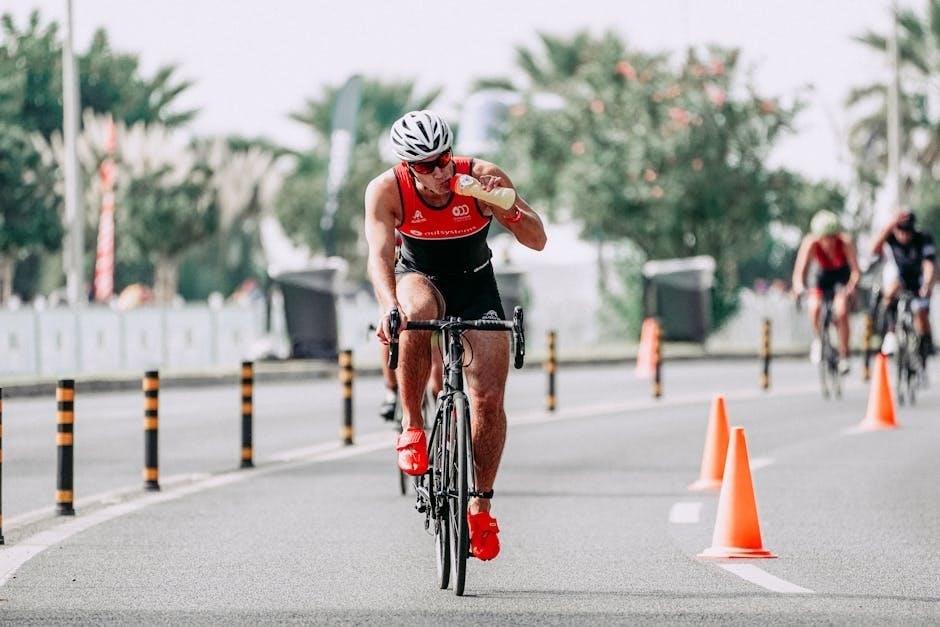
The build phase, detailed in your Half Ironman plan PDF, increases volume and intensity! Expect longer workouts and more challenging sessions to prepare for race demands․
Increasing Swim Volume and Intensity
Your Half Ironman training plan PDF will progressively increase swim workouts during this phase․ This means gradually adding more laps and sets each week, building endurance for the 1․9km open water swim․ Intensity is also key; incorporate interval training with varied paces – from easy recovery swims to challenging threshold sets․
Focus on drills to improve technique, reducing drag and maximizing efficiency․ The plan likely includes specific yardage goals for each week, alongside suggested set structures․ Don’t neglect open water practice when feasible, simulating race conditions․ Remember to prioritize form over speed, especially when fatigued․ Consistent, focused swim training is vital for a strong performance!
Brick Workouts: Bike to Run Transitions
A crucial component of your Half Ironman training plan PDF is the “brick” workout․ These sessions simulate the race day transition from cycling to running, preparing your body for the unique demands․ Expect to immediately begin running after a substantial bike ride – typically 60-90 minutes․
The initial brick workouts will be shorter, focusing on adapting to the feeling of running on tired legs․ Gradually increase both the bike duration and run distance․ Your plan will likely detail specific paces and distances․ Mastering transitions minimizes wasted time and improves overall performance․ Practice efficient transitions – quick changes, proper gear setup – to shave off valuable seconds on race day!
Long Ride Progression
Your Half Ironman training plan PDF will meticulously outline a long ride progression․ This is arguably the most important element of bike training, building endurance for the 56-mile course․ Expect to start with rides around 40-50 miles, gradually increasing the distance each week․
A typical progression might add 5-10 miles per week, peaking at 80-100 miles several weeks before the race․ Focus on maintaining a sustainable pace, practicing nutrition and hydration strategies during these long efforts․ Your plan will likely incorporate varied terrain to simulate race conditions․ Remember to prioritize recovery after these demanding rides!
Tempo Runs and Interval Training
A comprehensive Half Ironman training plan PDF will integrate tempo runs and interval training to boost your running speed and endurance․ Tempo runs, sustained efforts at a comfortably hard pace, improve your lactate threshold․ Expect these to be 20-40 minutes long, building gradually․
Interval training, alternating high-intensity bursts with recovery periods, enhances your VO2 max․ Your plan might include 400m, 800m, or 1-mile repeats․ These sessions should be performed once or twice weekly, with adequate recovery․ Properly structured, these workouts will translate to a faster half marathon split on race day, significantly impacting your overall time․
Phase 3: Peak Phase (4-6 Weeks)
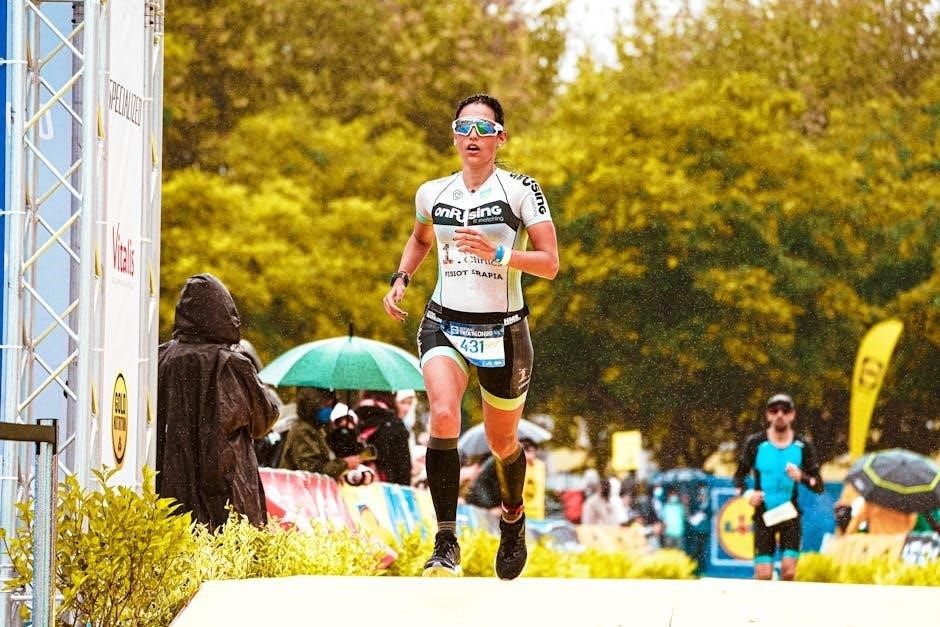
The peak phase, detailed in your Half Ironman plan PDF, focuses on race-specific workouts and a crucial taper to ensure optimal performance on race day!
Race-Pace Swim Workouts
Your Half Ironman training plan PDF will emphasize race-pace swim workouts during the peak phase․ These sessions aren’t about speed, but sustained effort mimicking race conditions․ Expect longer intervals at your target swim pace, interspersed with short recovery periods․
Focus on maintaining proper form even when fatigued․ Include open water swims if possible, practicing sighting and navigating․ A typical workout might involve several 400m or 600m repeats at race pace, with 30-60 seconds rest․
These workouts build crucial endurance and help you dial in your pacing strategy․ Don’t neglect technique drills; a few minutes dedicated to improving your stroke can yield significant gains․ Regularly review your swim splits to track progress and adjust your pacing accordingly, as outlined in your plan․
High-Intensity Bike Intervals
A well-structured Half Ironman training plan PDF incorporates high-intensity bike intervals to boost your power and speed․ These aren’t about simply going fast; they’re about pushing your limits with structured efforts and recovery․ Expect workouts featuring intervals at Functional Threshold Power (FTP) or slightly above․
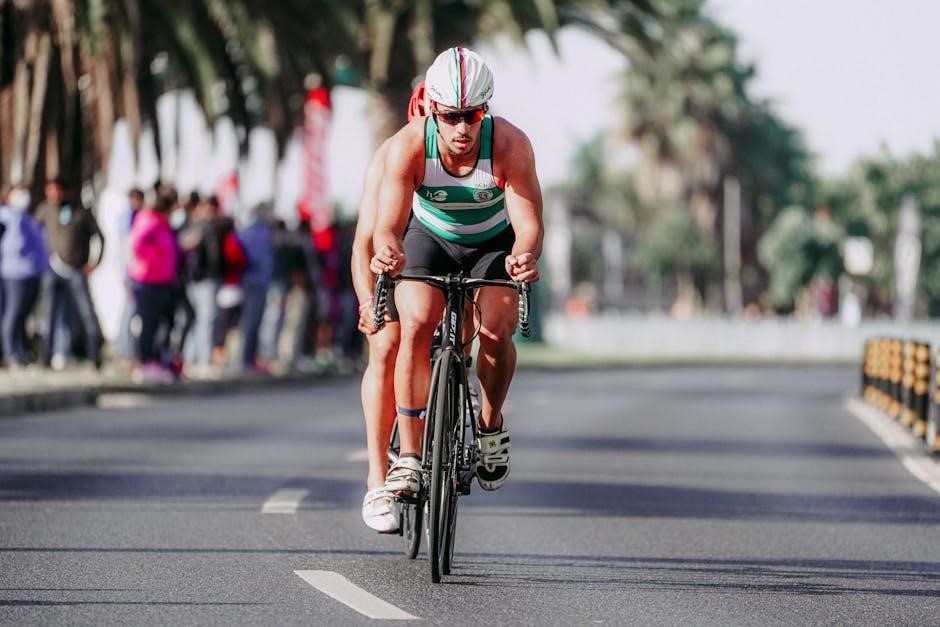
Common interval structures include 3-5 minute hard efforts followed by equal or slightly longer recovery periods․ Focus on maintaining consistent power output during the intervals․ Your plan will likely progress from shorter, more frequent intervals to longer, less frequent ones․
Proper warm-up and cool-down are crucial․ These sessions build lactate threshold and improve your ability to sustain a high pace on race day․ Analyze your power data to track progress and refine your interval training․
Race Simulation Runs
A comprehensive Half Ironman training plan PDF will include race simulation runs, vital for preparing both physically and mentally․ These aren’t just long runs; they mimic race day conditions as closely as possible․ Expect to run a significant portion of the half marathon distance – potentially up to 18-20 miles – at your goal race pace․
Practice your nutrition and hydration strategies during these runs, replicating what you’ll consume on race day․ Simulate the course profile if possible, including hills․
These runs build confidence and allow you to fine-tune your pacing and gear choices․ They expose potential weaknesses in your plan, allowing for adjustments before the big day․ Treat these runs as dress rehearsals for success!
Tapering Strategies
A well-structured Half Ironman training plan PDF emphasizes the crucial taper phase – typically 4-6 weeks before the race․ This isn’t about stopping training; it’s about strategically reducing volume while maintaining intensity․ The goal is to arrive at the start line rested and recovered, with glycogen stores full;
Gradually decrease your swim, bike, and run mileage, typically reducing volume by 20-30% each week․ Maintain some short, high-intensity workouts to keep your system primed․ Prioritize sleep and nutrition during this period․
Avoid trying anything new during the taper․ Resist the urge to cram in last-minute training․ Trust the work you’ve already done and focus on mental preparation!
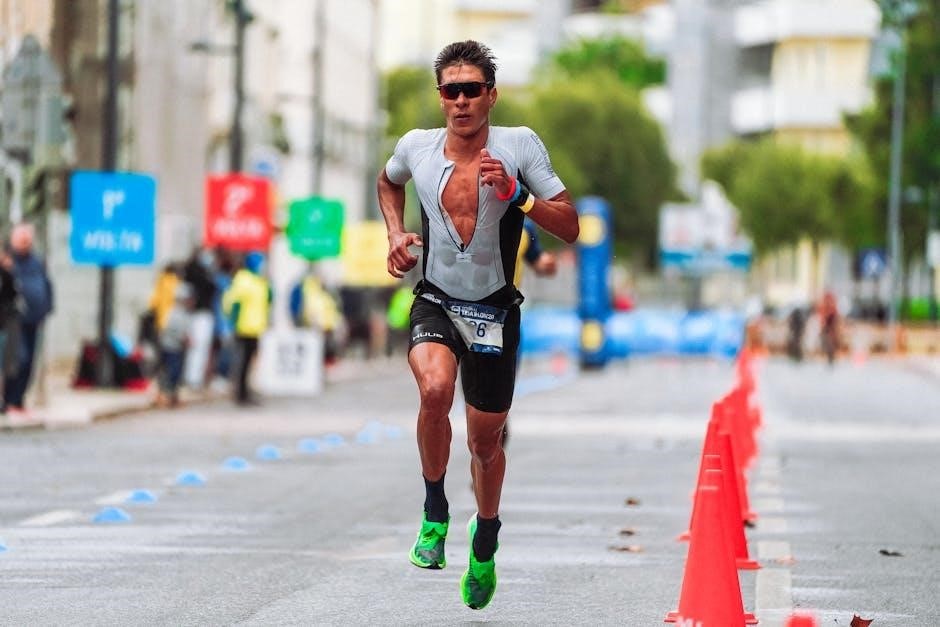
Nutrition and Hydration
A comprehensive Half Ironman training plan PDF details fueling strategies․ Proper nutrition and hydration are paramount for performance and recovery during intense training․
Fueling for Long Distance
A well-structured Half Ironman training plan PDF will emphasize consistent fueling․ Carbohydrates are your primary energy source, requiring intake before, during, and after workouts․ Prioritize complex carbohydrates like whole grains and sweet potatoes for sustained energy release․ During training, consume easily digestible carbohydrates – gels, chews, or sports drinks – every 30-60 minutes to maintain blood glucose levels․
Protein is vital for muscle repair and recovery, so include it in meals post-workout․ Fat provides essential fatty acids and supports hormone production, but moderate intake is key․ Practice your race-day nutrition during long training sessions to identify what works best for your digestive system․ Dehydration significantly impacts performance, so pair fueling with a consistent hydration strategy, detailed within your plan․
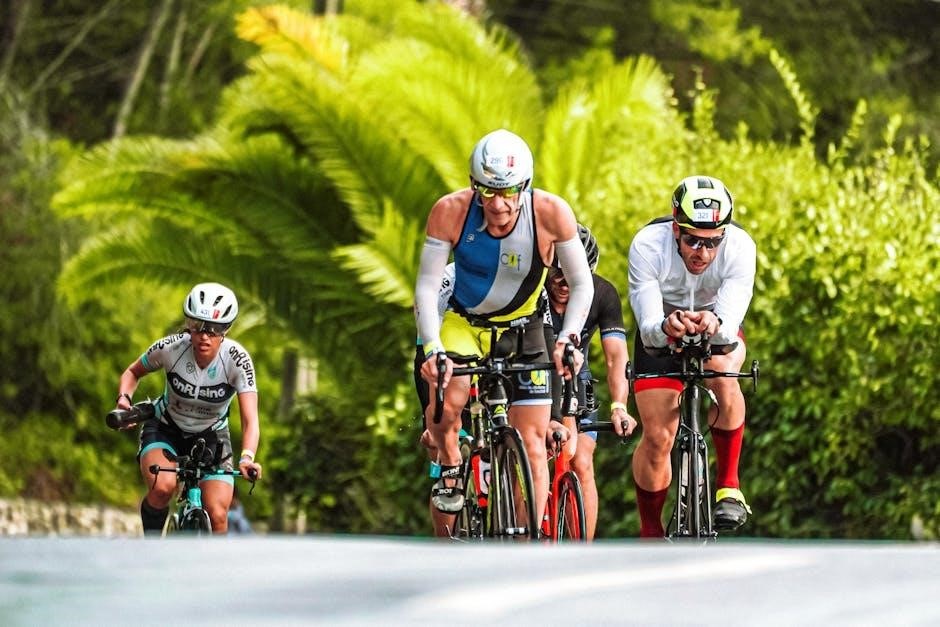
Hydration Plans for Training and Race Day
Your Half Ironman training plan PDF should detail a progressive hydration strategy․ Begin hydrating several days before a long workout or race, not just on the day of․ During training, aim to drink 16-32 ounces of fluid per hour, adjusting based on sweat rate and weather conditions․ Electrolytes – sodium, potassium, magnesium – are crucial to replace those lost through sweat, preventing cramping and maintaining fluid balance․
Practice your race-day hydration plan during training to determine your optimal fluid intake and electrolyte needs․ Consider using a hydration pack or carrying water bottles on the bike․ Monitor urine color; pale yellow indicates adequate hydration․ Overhydration can be dangerous, so avoid excessive fluid intake․ A comprehensive plan will address both training and race-day specifics․
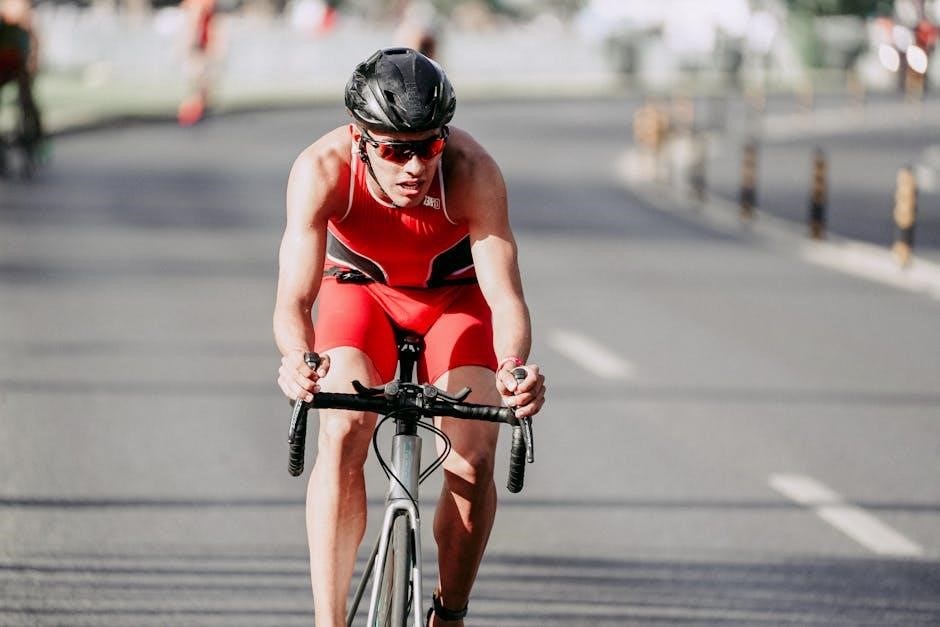
Gear and Equipment
A detailed Half Ironman training plan PDF often includes a gear checklist․ Essential items encompass swim, bike, and run equipment, plus transition necessities for optimal performance․
Essential Swim Gear
Your Half Ironman swim requires specialized equipment for efficiency and comfort․ A well-structured training plan PDF will often detail these necessities․ Begin with a properly fitted wetsuit, crucial for open water swims, providing buoyancy and warmth․ Don’t forget swim goggles – anti-fog options are highly recommended! A comfortable swim cap is also vital, reducing drag and protecting your hair․
Consider pull buoys and hand paddles for focused strength training during pool sessions, as outlined in many plans․ A brightly colored swim buoy is essential for open water safety, increasing visibility to boats and other swimmers․ Finally, invest in quality swim trunks or a swimsuit designed for endurance, minimizing chafing during long distances․ Proper gear significantly impacts performance and enjoyment․
Bike Maintenance and Setup
A reliable bike is paramount for a successful Half Ironman․ Your training plan PDF should emphasize regular maintenance․ Before each ride, check tire pressure, brakes, and chain lubrication․ Learn basic roadside repairs – flat tire changes are inevitable! A professional bike fit is crucial, optimizing comfort and preventing injuries․ Consider a triathlon-specific saddle for enhanced comfort during long rides․
Invest in a bike computer to track speed, distance, and cadence, aligning with your training zones․ Regularly clean and inspect your drivetrain, replacing worn components promptly․ Proper bike setup, including handlebar height and seat position, significantly impacts performance and efficiency․ Don’t neglect regular tune-ups by a qualified mechanic․
Running Shoe Selection
Choosing the right running shoes is vital for injury prevention and performance․ Your Half Ironman training plan PDF should highlight this․ Visit a specialty running store for a professional gait analysis to determine your pronation type․ This informs shoe selection – neutral, stability, or motion control․ Prioritize comfort and fit; shoes should feel good from the first try․
Consider the mileage you’ll be logging․ More cushioning is beneficial for long runs․ Replace shoes every 300-500 miles, as cushioning degrades․ Don’t switch shoe models mid-training cycle to avoid blisters․ Break in new shoes gradually․ Experiment with different brands and models to find what works best for your feet․
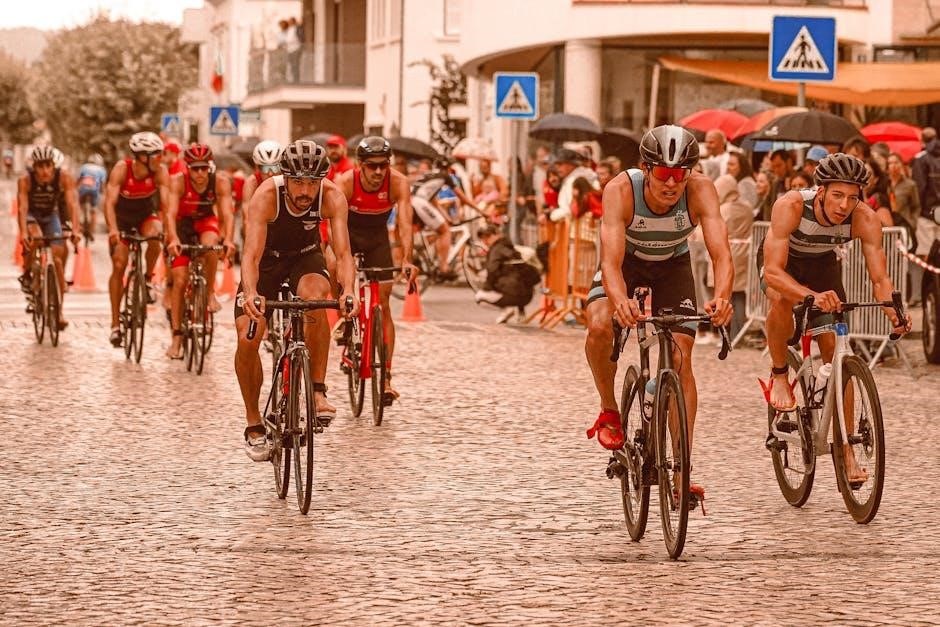
Injury Prevention and Recovery
A comprehensive Half Ironman plan PDF emphasizes proactive injury prevention․ Prioritize consistent recovery strategies – stretching, foam rolling, and adequate sleep – for optimal results․
Common Half Ironman Injuries
Half Ironman training, while rewarding, presents specific injury risks․ A well-structured training plan PDF should address these proactively․ Runners frequently experience shin splints, stress fractures, and plantar fasciitis due to the increased mileage․ Cyclists may suffer from knee pain, IT band syndrome, and saddle sores․ Swimmers are prone to shoulder impingement and rotator cuff issues․
Overuse is a primary culprit․ Rapid increases in training volume or intensity, without adequate rest, significantly elevate injury risk․ Proper form is also critical; biomechanical imbalances can exacerbate vulnerabilities․ A good plan PDF will incorporate strength training to address muscle imbalances and improve stability․ Ignoring early warning signs – persistent pain or discomfort – can lead to more serious, long-term problems․ Prioritizing recovery and listening to your body are paramount․
Active Recovery Techniques
Effective recovery is as vital as the training itself․ A comprehensive Half Ironman training plan PDF will emphasize active recovery strategies․ These aren’t simply rest days, but low-intensity activities promoting blood flow and reducing muscle soreness․ Examples include easy spinning on a bike, gentle swimming, or a leisurely walk․
Foam rolling and stretching are crucial․ Targeting major muscle groups helps release tension and improve flexibility․ Contrast therapy – alternating between hot and cold applications – can reduce inflammation․ Prioritize sleep; it’s when the body repairs and rebuilds․ Nutrition plays a key role; replenishing glycogen stores and consuming protein aids recovery․ Ignoring recovery leads to overtraining and increased injury risk․
Importance of Sleep
Sleep is a cornerstone of any successful Half Ironman training plan, often highlighted within a detailed PDF guide․ It’s during sleep that the body undertakes crucial repair and rebuilding processes, adapting to the stresses of intense training․ Aim for 7-9 hours of quality sleep each night, prioritizing consistency․
Insufficient sleep compromises performance and increases injury risk․ It impacts hormone regulation, immune function, and cognitive abilities․ A training plan PDF should emphasize sleep hygiene – creating a conducive sleep environment, avoiding caffeine and alcohol before bed, and establishing a regular sleep schedule․ Prioritize sleep as much as your workouts; it’s non-negotiable for optimal results․

Race Day Strategy
A comprehensive Half Ironman plan PDF details race-day execution! Mastering transitions, pacing, and mental fortitude are key to achieving your performance goals․
Transition Planning
Transition areas are often underestimated, yet crucial for a fast Half Ironman time․ A detailed training plan PDF will emphasize practicing transitions – swim to bike (T1) and bike to run (T2) – repeatedly․ This isn’t just about speed; it’s about efficiency․
Visualize each step: wetsuit removal, helmet fastening, bike shoes clipped in, racking your bike, changing shoes, and grabbing your race belt․ A well-rehearsed plan minimizes wasted seconds․ Your PDF should include a checklist of everything you need in each transition bag, pre-positioned for quick access․
Practice setting up your transition space, simulating race conditions․ Knowing exactly where everything is located reduces stress and allows for a smoother, faster transition, ultimately saving valuable time on race day․
Pacing Strategies
Effective pacing is paramount in a Half Ironman; going out too hard leads to a devastating second half․ A comprehensive training plan PDF will detail various pacing strategies, often based on heart rate zones or perceived exertion․ It’s vital to understand your individual thresholds․
The swim should be a controlled effort, conserving energy for the bike․ The bike leg requires disciplined pacing, avoiding the temptation to chase faster riders․ Your PDF should outline target power outputs or heart rate ranges for sustained effort․
The run is where pacing truly matters․ Negative splits – running the second half faster – are ideal, but require significant discipline․ A well-structured plan will prepare you to maintain a consistent, sustainable pace throughout all three disciplines․
Mental Toughness
A Half Ironman is as much a mental challenge as a physical one; a training plan PDF often overlooks this crucial aspect․ Prepare for discomfort and fatigue – they will happen․ Visualization techniques, practicing positive self-talk, and breaking the race into smaller, manageable segments are key․
Your PDF should encourage you to develop coping mechanisms for challenging moments․ Anticipate potential setbacks, like mechanical issues or adverse weather, and formulate plans to overcome them․
Cultivate resilience during training by pushing through difficult workouts․ Remember your ‘why’ – the reason you started this journey – and use it as motivation when things get tough․ Mental preparation is as vital as physical conditioning․