safety first humidifier manual
Safety First Humidifier Manual: A Comprehensive Guide
This manual guides safe operation, preventing injuries, illnesses, and deaths; proactive safety is key, especially regarding electrical and water hazards.
Welcome! Your Safety First Humidifier is designed to enhance indoor air quality, providing comfort, especially during dry seasons. This manual is crucial for understanding its safe and effective operation. Prioritizing safety prevents workplace injuries, illnesses, and the hardship they cause to workers and families – a core tenet of robust health programs;
Before first use, carefully review all instructions and warnings. This humidifier utilizes advanced technology to deliver optimal humidity levels, but proper handling is paramount. Employers must commit to safety, allocating resources for training and maintenance. OSHA’s resources offer guidance on hazard identification and control.
Remember, safety starts with training. Understanding the components and functions detailed within will ensure a long-lasting and safe experience with your new humidifier. We are dedicated to providing a product that contributes to a healthier and safer environment for you and your loved ones.
Understanding the Importance of Humidifier Safety
Humidifier safety is paramount due to potential electrical and biological hazards. Improper use can lead to shocks, burns, or the proliferation of mold and bacteria, impacting health. A proactive approach, mirroring comprehensive safety and health programs, minimizes these risks. Motor vehicle accidents highlight the importance of preventative measures; similarly, diligent humidifier care prevents unseen dangers.
Employers prioritizing safety demonstrate commitment through resource allocation and employee training. OSHA emphasizes hazard identification and control, principles directly applicable to humidifier operation. Ignoring safety guidelines can have devastating impacts on individuals and communities.
This manual provides essential information to mitigate risks, ensuring a healthy indoor environment. Understanding these precautions isn’t merely recommended – it’s vital for protecting yourself, your family, and your property. Prioritize safety; it’s an investment in well-being.

Key Components and Their Functions
Essential parts include the water tank, power cord, and control panel; understanding each function is crucial for safe and effective operation of the humidifier.
Water Tank and Filling Procedures
The water tank is a central component, requiring careful handling and regular inspection for cracks or damage before each use. Always disconnect the humidifier from the power source before accessing or filling the tank to prevent electrical shock.
Use cool, clean water – distilled or demineralized water is recommended to minimize mineral buildup and prolong the humidifier’s lifespan. Avoid using hot water, as it can damage the tank and internal components.
When filling, do not exceed the maximum fill line indicated on the tank. Overfilling can lead to leaks and potential electrical hazards; Ensure the tank is securely seated on the base before operation.
Regularly check the water level during operation and refill as needed, always following the disconnection and filling procedures outlined for safety.
Power Cord and Electrical Safety
Electrical shock prevention is paramount when operating your Safety First Humidifier. Always inspect the power cord for any signs of damage – cracks, fraying, or exposed wires – before each use. A damaged cord must be replaced immediately by a qualified technician.
Never operate the humidifier with a damaged power cord, and avoid using extension cords whenever possible; If an extension cord is absolutely necessary, ensure it is appropriately rated for the humidifier’s power requirements.
Avoid running the power cord under rugs, carpets, or near heat sources. Ensure the cord is positioned where it won’t be a tripping hazard. Always unplug the humidifier during cleaning, filling, or when not in use to eliminate electrical risks.
Do not attempt to disassemble or repair the humidifier yourself; this could lead to electrical shock or damage the unit.
Control Panel Overview
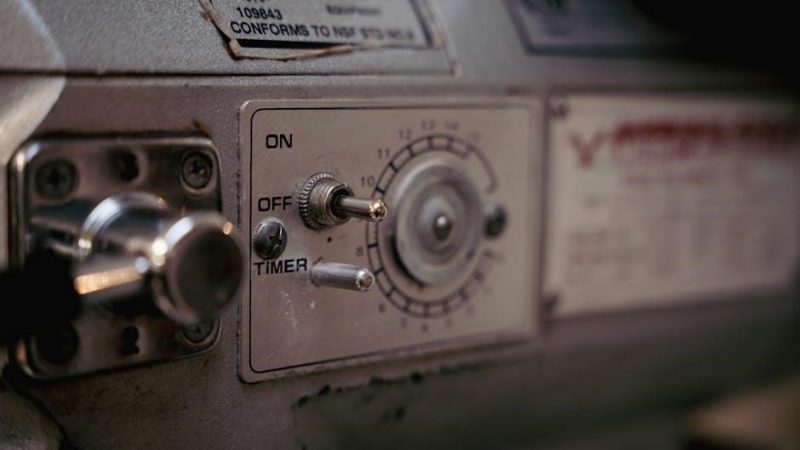
The Safety First Humidifier’s control panel is designed for intuitive operation and safe usage. Typically, you’ll find a power button to turn the unit on and off, and mist output controls – often low, medium, and high settings – to adjust the humidity level.
Some models include a humidity level display, showing the current room humidity. A timer function allows you to set the humidifier to run for a specific duration, promoting energy efficiency and preventing over-humidification.
Look for a night light feature, providing gentle illumination, and potentially an auto-shutoff function, which activates when the water tank is empty, ensuring safety and preventing damage.
Familiarize yourself with each button and indicator light before first use. Refer to the diagram within this manual for specific button locations and functions related to your model.

Operating Your Humidifier Safely
Prioritize driver safety training, as vehicle accidents are a leading cause of workplace injuries; commit to roadway safety and proactive hazard management.

Initial Setup and First-Time Use
Before initial use, carefully unpack your Safety First Humidifier and inspect all components for any damage sustained during shipping. Place the humidifier on a stable, level surface, ensuring adequate ventilation around all sides – avoid placing it directly on carpets or near furniture.
Thoroughly clean the water tank with fresh water before filling, as outlined in the maintenance section. Use cool, clean water, and avoid hot or distilled water, which can damage the unit. Properly connect the power cord to a grounded electrical outlet, verifying the voltage matches the humidifier’s specifications.
During the first use, you may notice a slight odor; this is normal and will dissipate with continued use. Run the humidifier for at least an hour to ensure proper operation and to familiarize yourself with the control panel functions. Always supervise the humidifier during initial operation and ensure it’s functioning as expected.
Recommended Humidity Levels
Maintaining optimal humidity levels is crucial for both comfort and health. The Safety First Humidifier allows you to control the moisture output, but understanding ideal ranges is essential. Generally, a humidity level between 30% and 50% is recommended for most homes.
Levels below 30% can lead to dry skin, irritated sinuses, and increased susceptibility to colds and respiratory infections. Conversely, exceeding 50% can promote mold and bacteria growth, potentially exacerbating allergies and asthma.
Utilize a hygrometer to accurately measure the humidity in your space. Adjust the humidifier’s mist output settings accordingly, monitoring the levels regularly. Consider seasonal variations; lower humidity is often needed during colder months due to heating systems. Prioritize a balanced environment for optimal well-being.
Adjusting Mist Output Settings
Your Safety First Humidifier features adjustable mist output settings to customize humidity levels to your preference and needs. The control panel allows you to select from Low, Medium, and High settings, influencing the amount of moisture released into the air.
Begin with the Low setting and monitor the humidity using a hygrometer. Gradually increase the output if needed, observing the impact on your environment. Remember, maintaining a level between 30% and 50% is generally recommended.
Consider the room size; larger spaces may require higher settings. Regularly assess for condensation on windows or walls, which indicates excessive humidity. Adjust accordingly to prevent mold and bacteria growth, ensuring a healthy and comfortable atmosphere.

Maintenance and Cleaning for Optimal Safety
Regular cleaning prevents mold, bacteria, and scale buildup, ensuring safe and efficient operation; proactive maintenance safeguards health and extends the humidifier’s lifespan.
Daily Cleaning Procedures
To maintain optimal hygiene and prevent the growth of harmful microorganisms, a daily cleaning routine is essential for your Safety First Humidifier. After each use, or at least daily, unplug the unit and empty any remaining water from the tank. Rinse the water tank thoroughly with clean, cool tap water, ensuring all sediment is removed.
Wipe down the exterior surfaces of the humidifier with a soft, damp cloth. Avoid using harsh chemicals or abrasive cleaners, as these can damage the finish. Pay particular attention to the mist outlet and surrounding areas, as these are prone to mineral buildup. If possible, allow the tank to air dry completely before reassembling and storing. This simple daily habit significantly reduces the risk of mold and bacteria proliferation, contributing to a healthier indoor environment and prolonging the life of your humidifier. Consistent cleaning is a cornerstone of safe operation.
Weekly Deep Cleaning Instructions
A more thorough cleaning should be performed weekly to eliminate mineral deposits and potential bacterial growth within your Safety First Humidifier. Begin by unplugging the unit and disassembling all removable parts, including the water tank, tray, and any filters. Wash these components with a mild dish soap and warm water, using a soft brush to scrub away any buildup.
For stubborn mineral deposits, a solution of equal parts white vinegar and water can be used – allow it to soak for 30 minutes before rinsing thoroughly. Disinfect the water tank with a diluted bleach solution (1 teaspoon bleach per gallon of water), letting it sit for 10 minutes, followed by a comprehensive rinse. Ensure all traces of bleach are removed. Reassemble the humidifier only when all parts are completely dry. This weekly deep clean safeguards air quality and maintains optimal performance.
Descaling the Humidifier (Frequency & Method)
Mineral buildup, or scale, can reduce your Safety First Humidifier’s efficiency and lifespan. Descaling frequency depends on water hardness; generally, every 1-3 months is recommended. To descale, unplug the unit and empty the water tank. Fill the tank with a solution of equal parts white vinegar and water.
Allow the solution to sit for at least 30 minutes, or longer for heavy buildup – do not exceed several hours. After soaking, empty the tank and rinse thoroughly with clean water, repeating several times to remove all traces of vinegar. For stubborn scale, gently scrub with a soft brush. Finally, refill and run the humidifier with fresh water for a cycle before regular use, ensuring complete rinsing and preventing vinegar mist dispersal.

Troubleshooting Common Issues
Addressing problems like no power, low mist, or unusual noises ensures optimal performance and safety; driver safety training is also crucial.
Humidifier Not Turning On
If your Safety First Humidifier fails to power on, begin with the simplest checks. Ensure the power cord is securely plugged into both the humidifier and a functioning electrical outlet. Verify the outlet is delivering power by testing it with another device. Next, examine the power cord itself for any visible signs of damage – fraying, cuts, or exposed wires – which could indicate an electrical hazard and require immediate replacement.
Check if the humidifier’s internal safety mechanisms are engaged; some models feature an auto-shutoff when the water tank is empty or improperly positioned. Refill the tank with fresh water and ensure it’s correctly seated on the base. Review the control panel to confirm the unit isn’t set to a timer or sleep mode that might be preventing immediate operation. Remember, prioritizing electrical shock prevention is paramount; never attempt to disassemble or repair the humidifier yourself if you suspect an electrical fault. Contact customer support for assistance.
Low Mist Output
Experiencing reduced mist output from your Safety First Humidifier? Several factors could be at play. First, confirm the water tank is adequately filled; low water levels naturally restrict mist production. Next, inspect the humidifier for mineral buildup, particularly if you use hard water; Mineral deposits can clog the internal components, hindering efficient operation. Descaling the humidifier regularly, as outlined in the maintenance section, is crucial.
Ensure the mist nozzle or outlet isn’t obstructed by dust or debris. Gently clean it with a soft, damp cloth. Verify the humidity setting is appropriately adjusted; a lower setting will produce less mist. Finally, consider the ambient room temperature; warmer temperatures may require a higher mist output setting to achieve the desired humidity level. If the issue persists, contact customer support for further troubleshooting.
Unusual Noises During Operation
Hearing strange sounds from your Safety First Humidifier? Identifying the noise type is the first step. Gurgling sounds often indicate air trapped within the unit; gently tilting the humidifier may release it. Rattling noises could stem from loose components or vibrations – ensure the humidifier is placed on a stable, level surface. A clicking sound might suggest mineral buildup affecting the internal mechanisms; descaling is recommended;
If the noise is a high-pitched whine, it could indicate a potential issue with the fan motor. Immediately discontinue use and contact customer support. Never attempt to disassemble or repair the humidifier yourself, as this could void the warranty and pose a safety risk. Regular maintenance, including cleaning and descaling, can help prevent unusual noises and ensure optimal performance.

Safety Precautions and Warnings
Always prevent electrical shock, use quality water, and inhibit mold/bacteria growth; driver safety training is crucial for workplace accident prevention.
Electrical Shock Prevention
Crucially, never operate the humidifier with a damaged power cord or plug; immediate replacement is vital. Avoid using extension cords, as they can increase the risk of electrical hazards. Ensure the electrical outlet is properly grounded and matches the voltage requirements of the humidifier.
Always unplug the humidifier before cleaning, filling, or emptying the water tank. Never immerse the humidifier base or electrical components in water or other liquids. Keep the humidifier away from sources of heat and flammable materials.
Regularly inspect the power cord for any signs of wear or damage. If the humidifier malfunctions or exhibits any unusual electrical behavior, discontinue use immediately and contact customer support. Prioritizing these precautions minimizes the risk of electrical shock and ensures safe operation, aligning with comprehensive workplace safety programs.
Water Quality and Usage
Utilize distilled or demineralized water to prevent mineral buildup and maintain optimal humidifier performance. Tap water often contains minerals that can shorten the lifespan of the unit and potentially release white dust. Regularly change the water in the tank, ideally daily, to inhibit bacterial and mold growth.
Avoid adding any chemicals, essential oils, or other additives to the water unless specifically recommended by the manufacturer. These substances can damage the humidifier and may release harmful vapors. Ensure the water level does not exceed the maximum fill line indicated on the tank.
Proper water management is crucial for safe and efficient operation, contributing to a healthier indoor environment and aligning with proactive safety and health programs. Discard any unused water and clean the tank thoroughly between uses to prevent stagnation.
Preventing Mold and Bacteria Growth
Regular and thorough cleaning is paramount to prevent the proliferation of mold and bacteria within your Safety First Humidifier. Empty and dry the water tank daily, preventing stagnant water which fosters microbial growth. Disinfect the tank weekly using a diluted bleach solution (follow manufacturer’s instructions carefully) or a commercially available humidifier cleaner.
Ensure adequate ventilation in the room where the humidifier is used, as this helps reduce humidity levels and discourages mold formation. Replace the filter (if applicable) as recommended in the maintenance schedule. Avoid placing the humidifier on carpets or fabrics that can trap moisture.
Proactive cleaning aligns with broader safety and health programs, minimizing risks and ensuring a healthier indoor environment. Ignoring these steps can lead to the dispersal of harmful microorganisms into the air.

Warranty Information and Support

Our warranty covers defects; register your humidifier for support, accessing details on coverage, and contacting our customer service team for assistance promptly.
Warranty Coverage Details
This Safety First humidifier is warranted against defects in materials and workmanship for a period of one (1) year from the date of original purchase. This warranty covers normal household use only. Damage resulting from misuse, abuse, accidents, alterations, or unauthorized repairs is not covered.

Specifically, the warranty covers malfunctions of the humidifier’s core components, including the motor and electronic controls. It does not cover consumable parts like filters (if applicable) or damage caused by hard water or improper cleaning. To obtain warranty service, you must provide proof of purchase (receipt or invoice) and a detailed description of the defect.
We reserve the right to repair or replace the defective product at our discretion. This warranty gives you specific legal rights, and you may have other rights which vary from state to state. For complete details and claim procedures, please refer to the separate warranty card included with your humidifier or contact our customer support team.
Contacting Customer Support
Our dedicated customer support team is available to assist you with any questions or concerns regarding your Safety First humidifier. We are committed to providing prompt and helpful assistance to ensure your satisfaction and safe operation of the product.
You can reach us via several convenient channels: by phone, our toll-free number is 1-800-SAFETY-1 (1-800-723-3891), Monday through Friday, 9:00 AM to 5:00 PM EST. Alternatively, you can email us at support@safetyfirsthumidifiers.com, and we will respond within 24-48 business hours.
For frequently asked questions and troubleshooting tips, please visit our website at www.safetyfirsthumidifiers.com/support. When contacting support, please have your model number and date of purchase readily available to expedite the process. We value your feedback and strive to continuously improve our products and services.
Registering Your Humidifier
Registering your Safety First humidifier is a quick and easy process that unlocks several valuable benefits, ensuring you receive the best possible support and stay informed about important product updates. Registration confirms your ownership and allows us to efficiently process any warranty claims should the need arise.
To register, visit our website at www.safetyfirsthumidifiers.com/register. You will need your humidifier’s model number, serial number (located on the bottom of the unit), and proof of purchase. The registration process takes less than five minutes to complete.
By registering, you’ll also receive exclusive access to helpful tips, maintenance reminders, and notifications about new product features or safety alerts. Don’t delay – register your humidifier today to maximize your ownership experience and ensure peace of mind!